
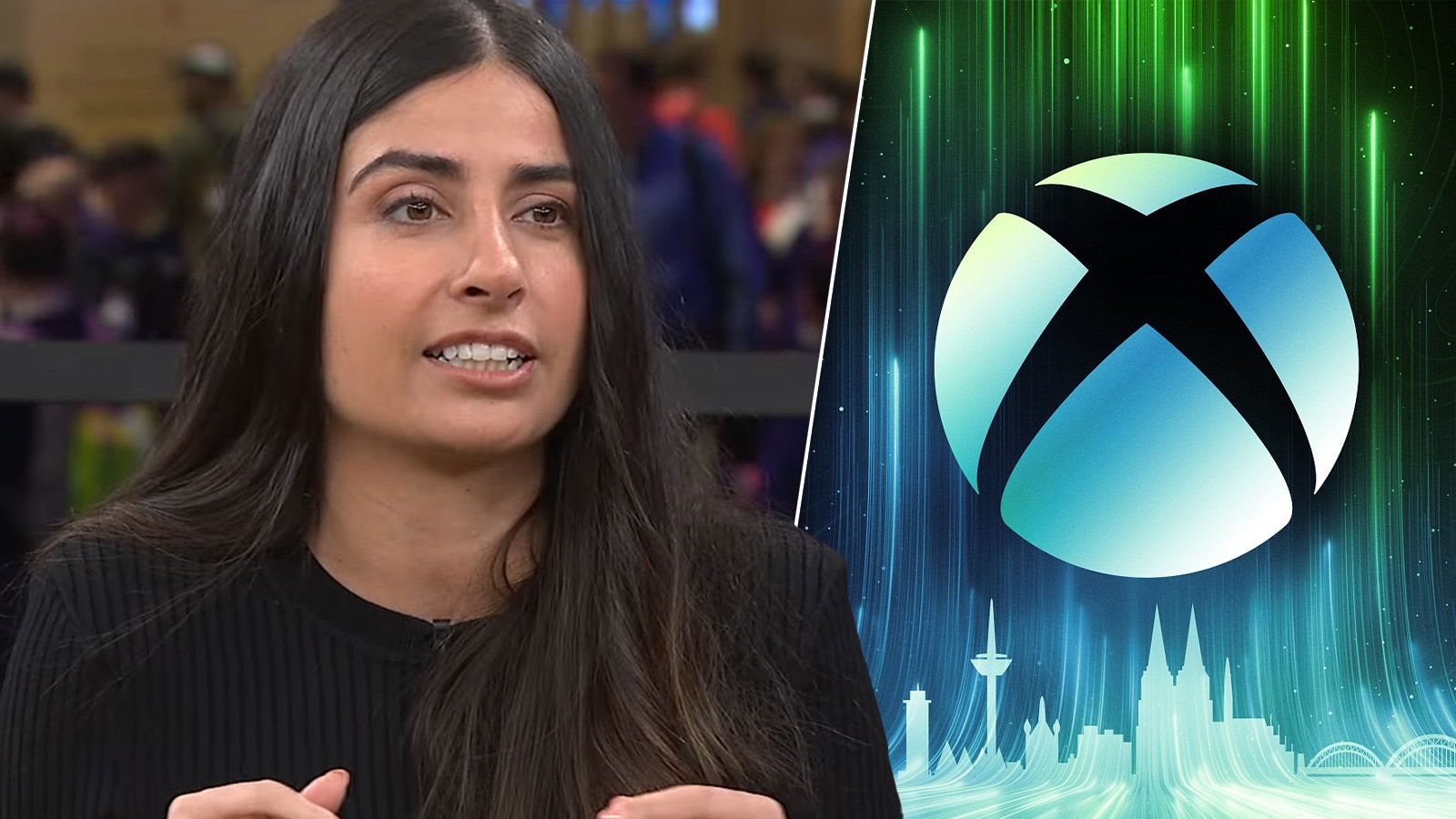
Microsoft is officially bringing a new era for Xbox and its gaming division. Longtime gaming chief Phil Spencer is retiring, and to replace him, the company appointed Asha Sharma as Executive Vice President and CEO of Microsoft Gaming on February 20, 2026.
Today I begin my role as CEO of @Xbox.
— Asha (@asha_shar) February 20, 2026
Here are my three commitments:
1/ GREAT games
2/ Return of @Xbox
3/ Future of playhttps://t.co/6UNrpFm1Ki
This is one of the biggest leadership changes in Xbox history, and it could be the beginning of a strategic shift toward platform growth, AI integration, and long-term ecosystem expansion. But unlike her predecessor, Sharma is not a gaming industry veteran.
Instead, her background in artificial intelligence, consumer platforms, and global technology operations. So, as she steps into one of the most recognizable leadership roles in gaming, what can we expect from her?
Asha Sharma’s Career Before Microsoft Gaming
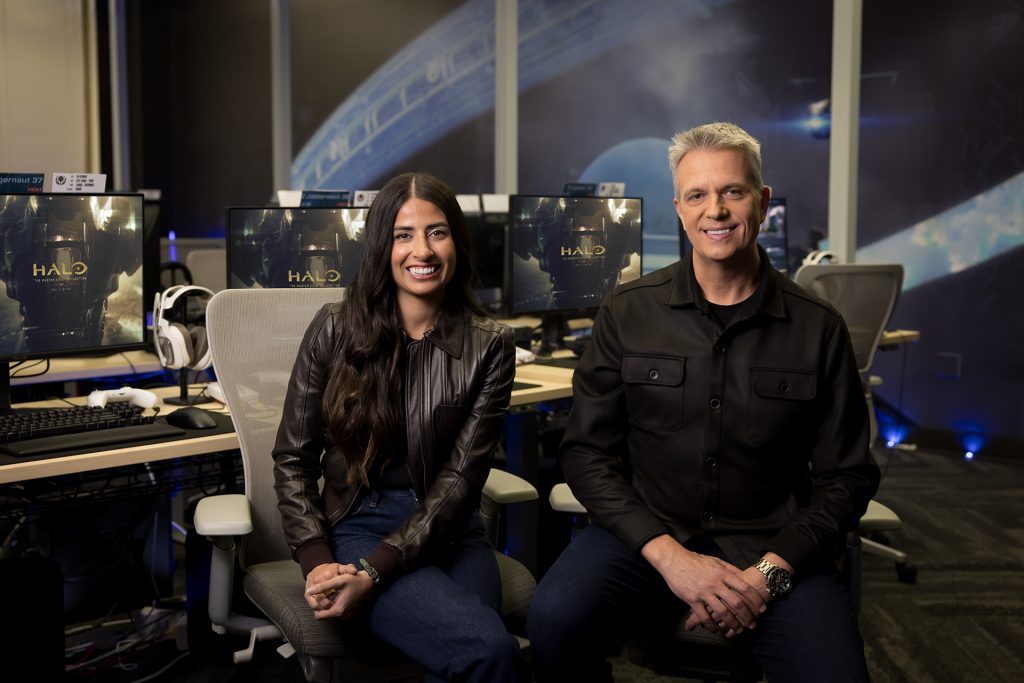
Asha Sharma is not a veteran of the gaming industry by any means. However, she has experience with large-scale technology platforms used by millions, and in some cases billions, of people worldwide. Before becoming CEO of Microsoft Gaming, she rejoined Microsoft in 2024 to lead CoreAI product development.
In that role, she oversaw AI models, developer tools, applications, and AI agents across Microsoft’s ecosystem. She reportedly led rapid-response engineering efforts in emerging AI technologies and worked closely with Azure teams to bring new AI technologies to customers.
New Xbox boss Asha Sharma says they have no interest in making 'soulless AI slop' 🎮
— Culture Crave 🍿 (@CultureCrave) February 20, 2026
“As monetization and AI evolve and influence this future, we will not chase short-term efficiency or flood our ecosystem with soulless AI slop"
"Games are and always will be art, crafted by… pic.twitter.com/Abhjc0NPsg
Before returning to Microsoft, Sharma was Chief Operating Officer at Instacart, where she played a key role in the company’s push toward profitability and its eventual public role. She also held senior product leadership roles at Meta, where she worked on large-scale consumer platforms used by billions worldwide.
Earlier in her career, she spent time at Microsoft in marketing before departing in 2013 and later returning in a more senior leadership capacity. In addition to her executive roles, Sharma also serves as a board member at The Home Depot, giving her more experience in business leadership beyond the tech sector.
Why Microsoft Chose an AI Executive to Lead Xbox

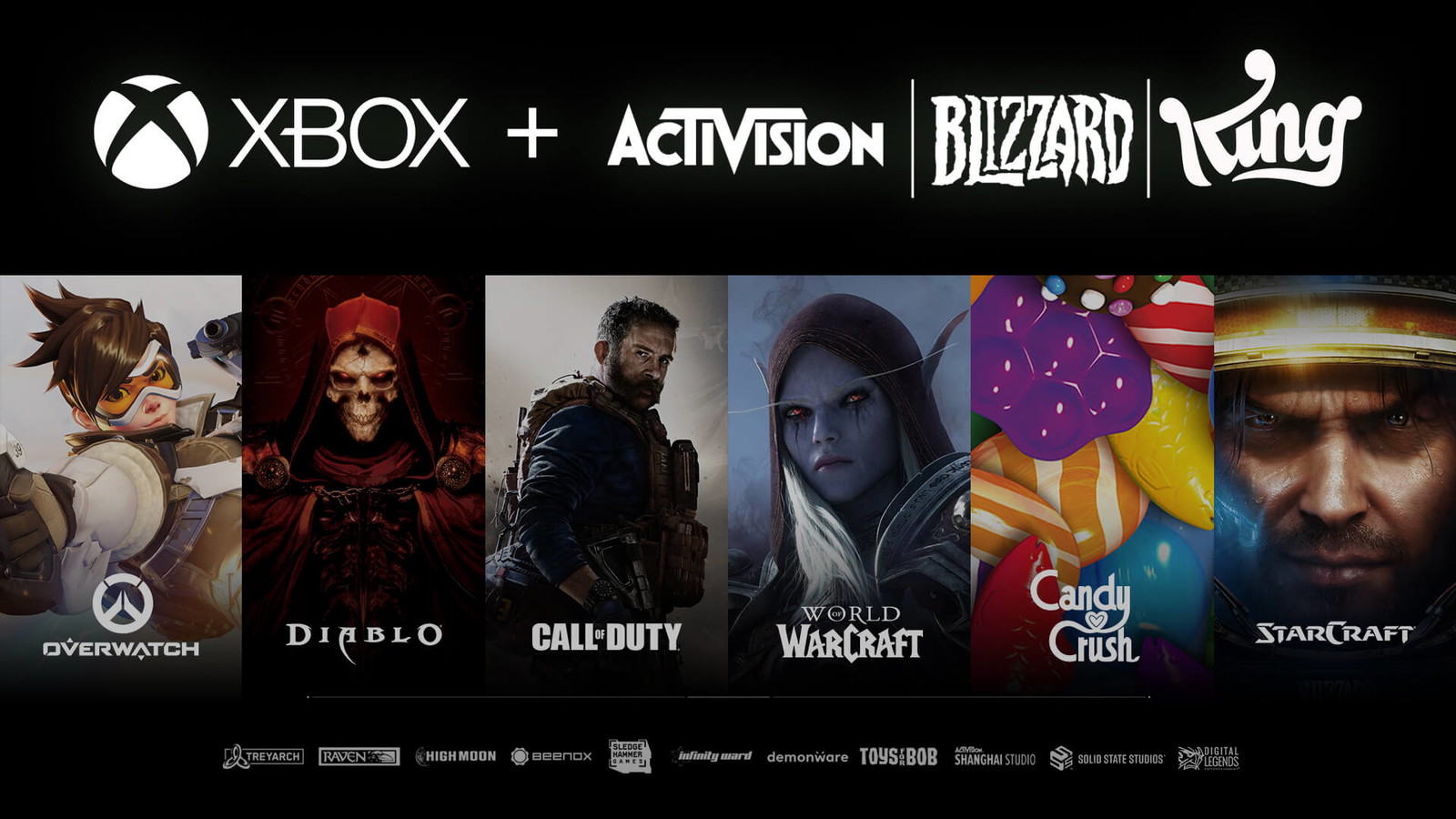
Sharma takes over Microsoft Gaming at a time of major transition. Phil Spencer, who led Xbox through significant expansion, including the acquisitions of Bethesda, Activision Blizzard, and Mojang, is stepping down.
Xbox President Sarah Bond is also departing. Replacing her is longtime Xbox Game Studios leader Matt Booty, who has been promoted to Chief Content Officer and will report directly to Sharma.
Microsoft’s gaming division has grown a lot in the last five years with Xbox Game Pass and all of the acquisitions. The division has 500 million monthly active users, and it manages nearly 40 studios responsible for franchises such as Halo, Call of Duty, The Elder Scrolls, Diablo, Fallout, and Candy Crush.
However, the division has also faced challenges, including a decline in console sales, layoffs, and criticism from fans over platform decisions. Sharma has made it clear that she will focus on three major priorities: delivering great games, renewing commitment to Xbox consoles, and preparing for the future of gaming.
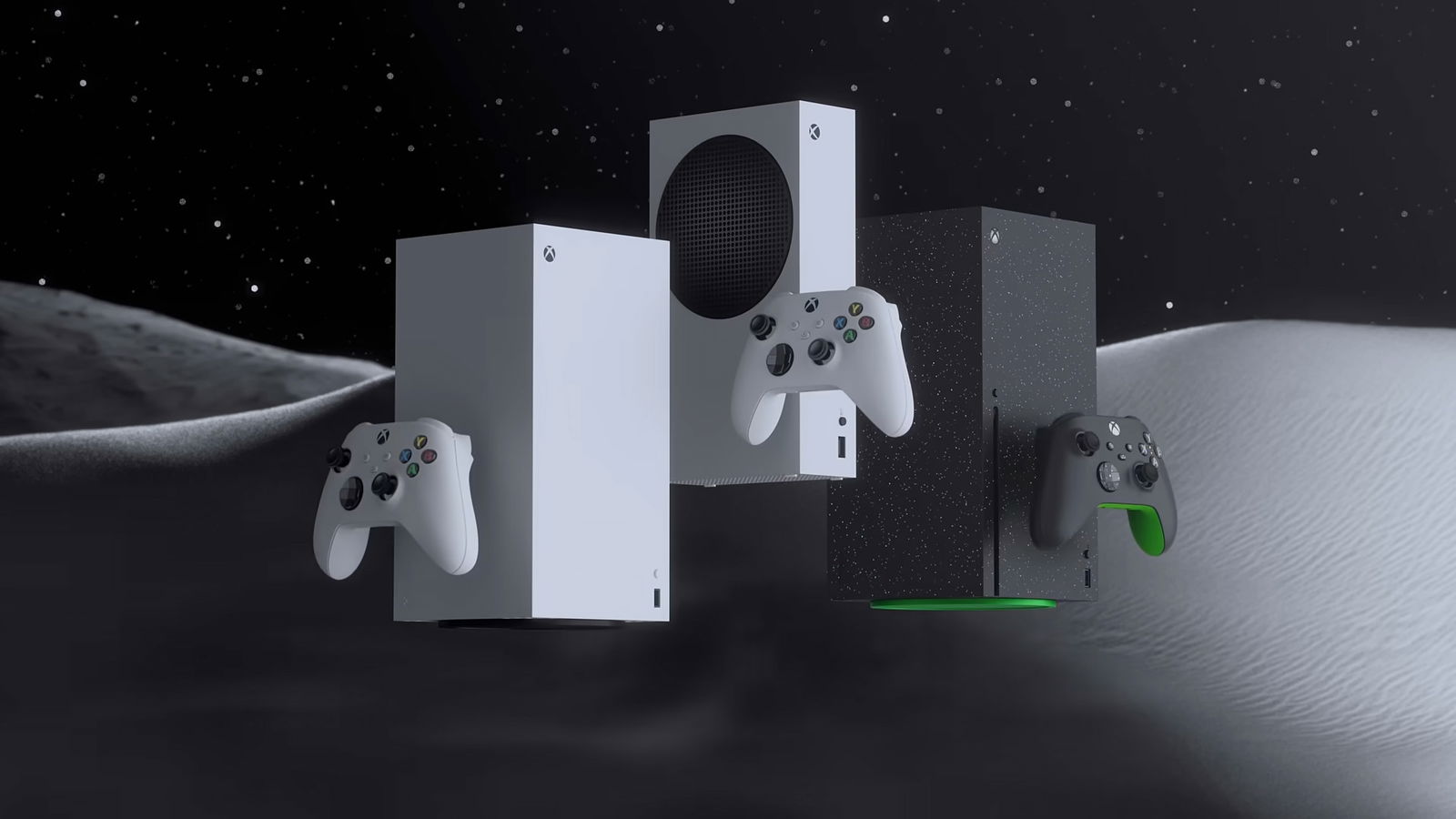
She also reassured fans that Xbox consoles will remain a central part of Microsoft’s strategy, even as gaming expands across cloud, PC, and mobile platforms. According to Sharma, console hardware remains foundational to the Xbox identity and its relationship with players and developers.
At the same time, her background in AI suggests she will play a key role in integrating new technologies into Microsoft’s gaming ecosystem. However, Sharma has stressed that AI should support creativity rather than replace it, stating that games are fundamentally human-driven artistic experiences and that she has “no tolerance for bad AI” (via Variety).
Sharma has also acknowledged that she is entering the gaming industry as somewhat of an outsider, but she sees that as an opportunity to build trust and bring fresh ideas. Her focus is on listening to players, supporting developers, and ensuring consistency in Microsoft’s long-term gaming strategy.
The whole situation is a crazy one, and we have no way to know if this is a good or bad thing. What do you think this means for the future of Microsoft Gaming and Xbox? Let us know in the comments!
This post belongs to FandomWire and first appeared on FandomWire
from FandomWire https://ift.tt/Ot2BGgA


No comments: