
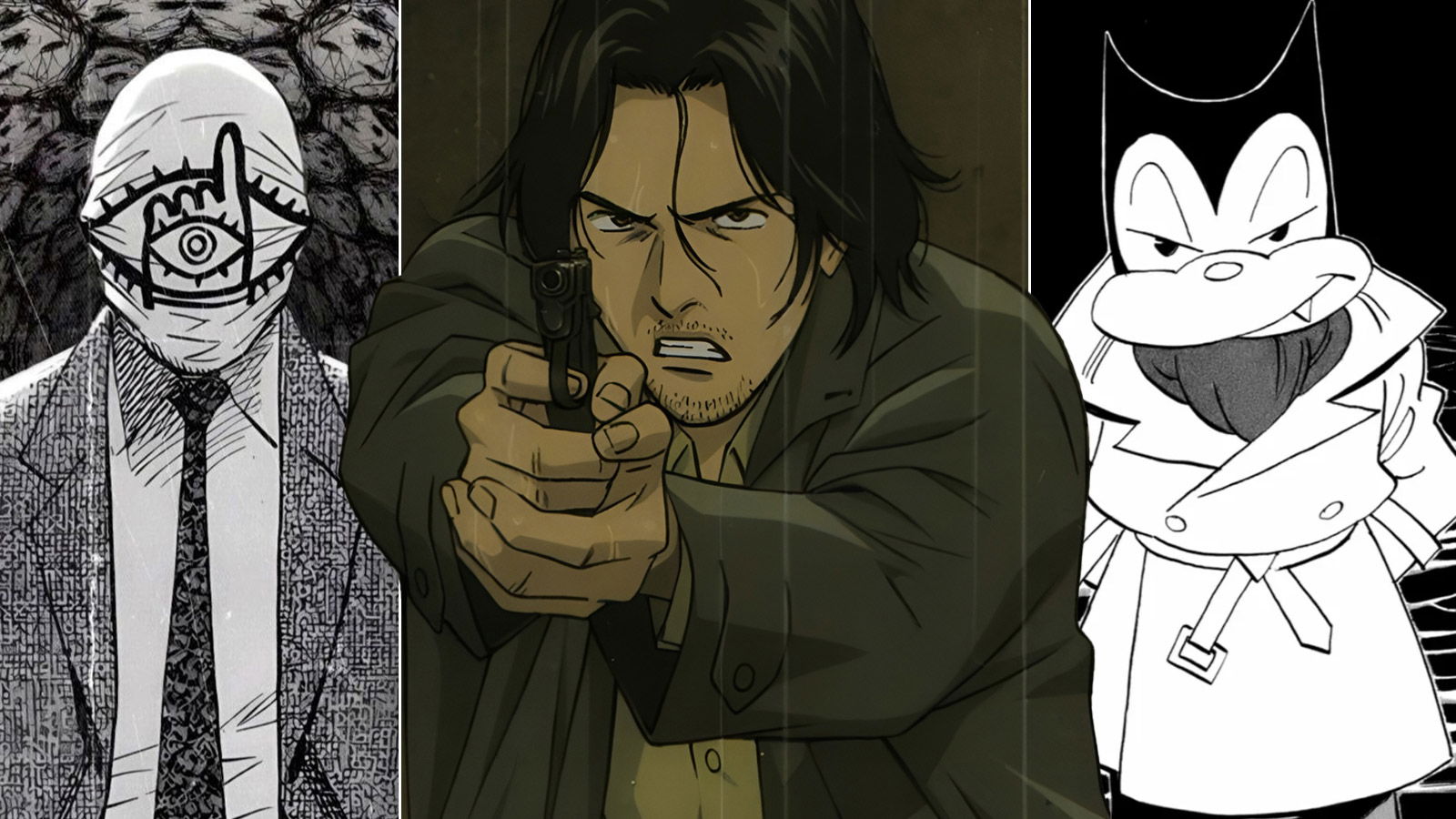
This man, Naoki Urasawa, single-handedly took storytelling in manga to a whole new level. Deviating from the usual norm, Urasawa’s works have never been targeted particularly toward younger generations; they are grand, filled with heavy themes and intense character drama that’s rarely seen in most anime and manga. Though old, most of them still are, and will remain timeless masterpieces.
That said, Urasawa’s resume is stacked with many titles he has worked on. Among them all, here we’ve ranked his most notable works based on how influential their storylines are. So let’s dive in.
7. Happy! Brings a Gripping Seinen Flair to a Sports Manga
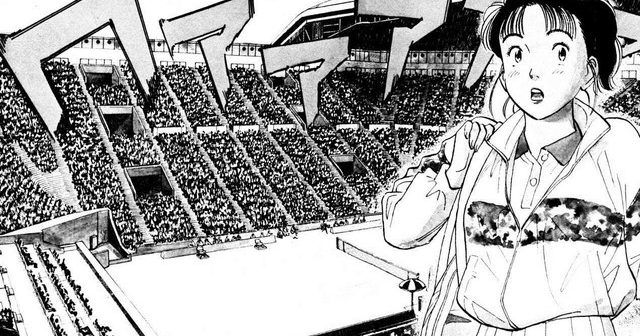
The title may be Happy!, but the anime isn’t much so. Though the storyline is centred around the sport, Tennis, it wouldn’t have been a Urasawa work if there were no dark character drama involved. The MC here, Miyuki, doesn’t get into tennis for glory, but to pay the bills, as her family is broke and drowning in debt.
She was either offered the chance to sell her body for quick cash or got the opportunity to participate in tennis tournaments and earn prize money. And of course, she chose the latter. From then on, with every match, witnessing her progress is still a great read. Still, it’s rated lower than the others because, despite having a good sports plot, it doesn’t reach the thematic or narrative complexity of Urasawa’s other works.
6. Yawara! Is Urasawa’s Take on a Coming-of-Age Storyline
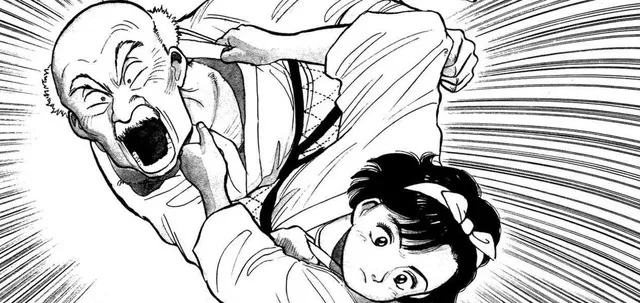
Though Urasawa is mostly famous for his psychological mystery thrillers, this time in Yawara!, he took a little detour and tried his hand at a coming-of-age comedy and, once again, sports. Yes, the sport in question is Judo, where Yawara’s journey to becoming an Olympic champion is beautifully explored.
While it doesn’t have many serious themes, the overall sports aspect of Yawara! is really well executed. So much so that it has managed to claim the 6th spot on the list. As a more compact story than Happy!, for Urasawa fans, it would be a nice breather if you haven’t read it already. It may feel like an engaging Shonen journey to glory.
5. Master Keaton Perfectly Combines Mystery and Slice-of-Life
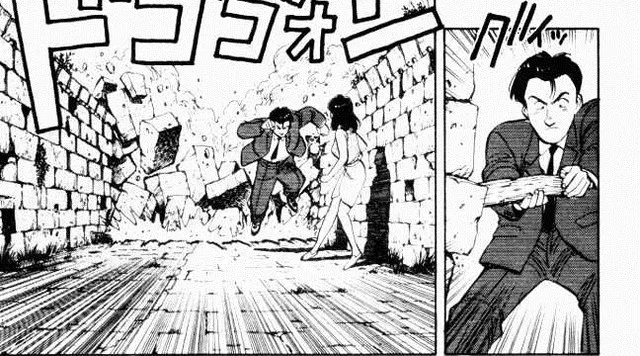
In Master Keaton, Urasawa’s genius for writing multifaceted human characters really shines through. The series offers not just one or two, but many lovable characters, each of whom feels weirdly human. They don’t feel like typical anime or manga characters, and that’s what makes the series stand out.
At its core, it’s a mystery detective series where Keaton solves cases using his knowledge as an archaeologist, which is honestly unique. But the main reason we had to rank it a little lower is that the manga prioritises standalone stories over a fully cohesive narrative. Of course, this doesn’t hurt the series’ appeal, and it remains an enjoyable read. But compared to the other entries coming up next, it sits slightly below Urasawa’s highest level of work.
4. Billy Bat Packs a Dense Narrative With Ambitious Ideas
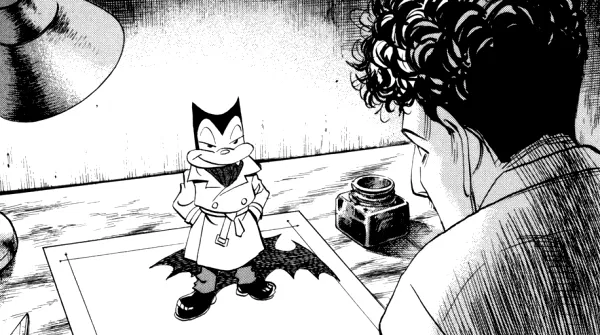
Billy Bat is one of Urasawa’s most ambitious projects. It blends conspiracy thriller, historical fiction, and metafiction in a never-before-seen way. The plot is dense and filled with characters that will make you think after every chapter. Also, the way it presents the series’ mascot-esque MC, Billy, a comic book character who influences real-world events across different eras, is just mind-blowing.
But because it is so vast, with so many themes in action all at once, the narrative may feel a little hard to follow for casual readers. Therefore, since this is a ranked list, we had to compare Billy Bat with Urasawa’s top three works. In doing so, it couldn’t be ranked higher than 4th despite being one of his most critically acclaimed works.
3. Pluto’s Exploration of Sci-fi Themes is One of the Genre’s Best

Arguably among the most popular works by Urasawa, Pluto asks the very question of what it would be like to live in a world where robots exist in harmony with humans. Though the idea has been explored in many stories, as a 90s manga written by Urasawa, its presentation still beats most sci-fi plots with similar themes. It also received an anime adaptation, which is among the best 21st-century sci-fi anime series.
In collaboration with Osamu Tezuka’s Astro Boy, Urasawa turned the first greatest robot of mankind into the series’ MC. But apart from him, even other human and robot characters in the story elevate the sheer intensity of the plot. Some of the moments would even leave you in tears. Also, one of the series’ overarching themes, whether a robot can commit a crime, is masterfully explored. Thus, it easily ranks in the top 3.
2. 20th Century Boys Offers an Expansive Conspiracy Thriller
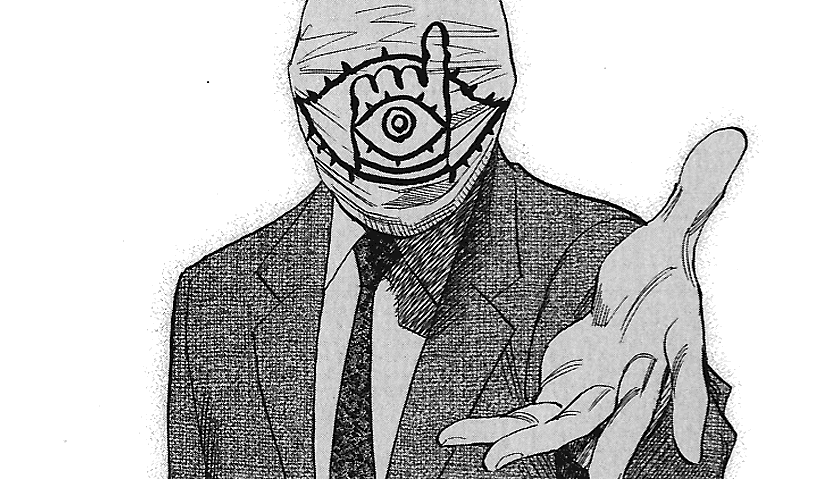
The way the stakes gradually increase in 20th Century Boys is a straight-up masterclass. Urasawa manages to weave a narrative that starts as a slow burn but later transforms into a global-level conspiracy thriller that is as intriguing as it is haunting. Many people even like to claim 20th Century Boys as Urasawa’s best work, because of its creative mashup of childhood nostalgia and trauma in the most believable way. Sadly, it’s also among the critically acclaimed manga that don’t have an anime adaptation yet as of this writing.
The series’ antagonistic figure, Friend, is also an extremely well-written character. Plus, the art, character dialogues, and execution of each intense moment in the manga are done with such perfection that you may not be able to stop reading. But even so, one Urasawa work remains his undisputed GOAT, which secures the 1st place.
1. Monster Presents a Haunting Story of the Birth of a True Evil
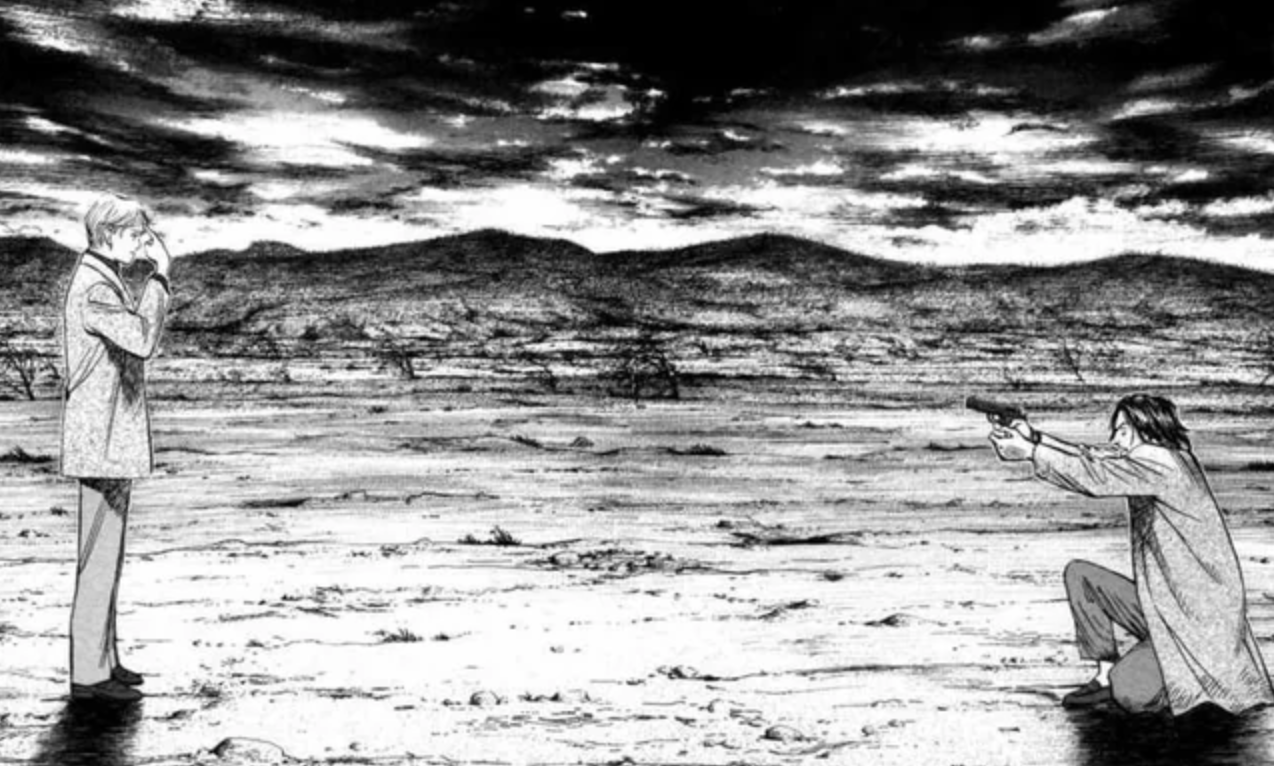

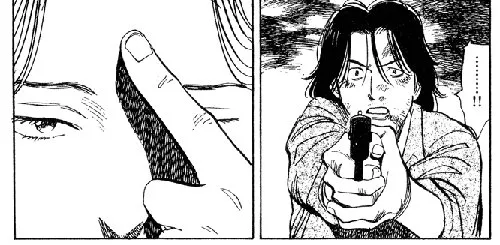
Right from the very first chapter to the conclusion of the entire storyline, Monster will keep you immersed throughout. This easily goes beyond any other murder mystery narrative. The cat-and-mouse chase between Dr Tenma and Johan Liebert isn’t just thrilling, it’s filled with deeply psychological themes. In fact, Johan is arguably one of the greatest villains ever written, who embodies the definition of evil.
Just having a conversation with him might make you shiver in fear! On the other hand, we have Tenma, an earnest surgeon, who gets falsely framed for Johan’s actions in a certain case. Then his journey begins to catch him, but in the process, he slowly understands the reason why Johan turned out like this. With no loose ends or weak story moments, Monster swiftly claims the #1 rank as Naoki Urasawa’s best work.
| TITLE | RELEASE DATE | MAL SCORE (as of June 14, 2026) |
| Happy! | October 25, 1993 | 7.52/10 |
| Yawara! | April 30, 1987 (Volume 1) | 7.42/10 |
| Master Keaton | November 1988 | 7.76/10 |
| Billy Bat | October 16, 2008 | 8.59/10 |
| Pluto | September 9, 2003 | 8.62/10 |
| 20th Century Boys | September 27, 1999 | 8.93/10 |
| Monster | December 5, 1994 | 9.16/10 |
These would inarguably be Naoki Urasawa’s 7 best works. Even so, his contributions to other series like Pineapple Army, DAMiYAN!, Mujirushi: The Sign Of Dreams, and Asadora! are also much adored by their readers. However, they haven’t been as popular as the listed entries. So, are you planning to start one from the list? Or have you read all of them already as a fellow Urasawa worshipper? Do let us know in the comments below.
This post belongs to FandomWire and first appeared on FandomWire
from FandomWire https://ift.tt/Z5o1wVC


No comments: