
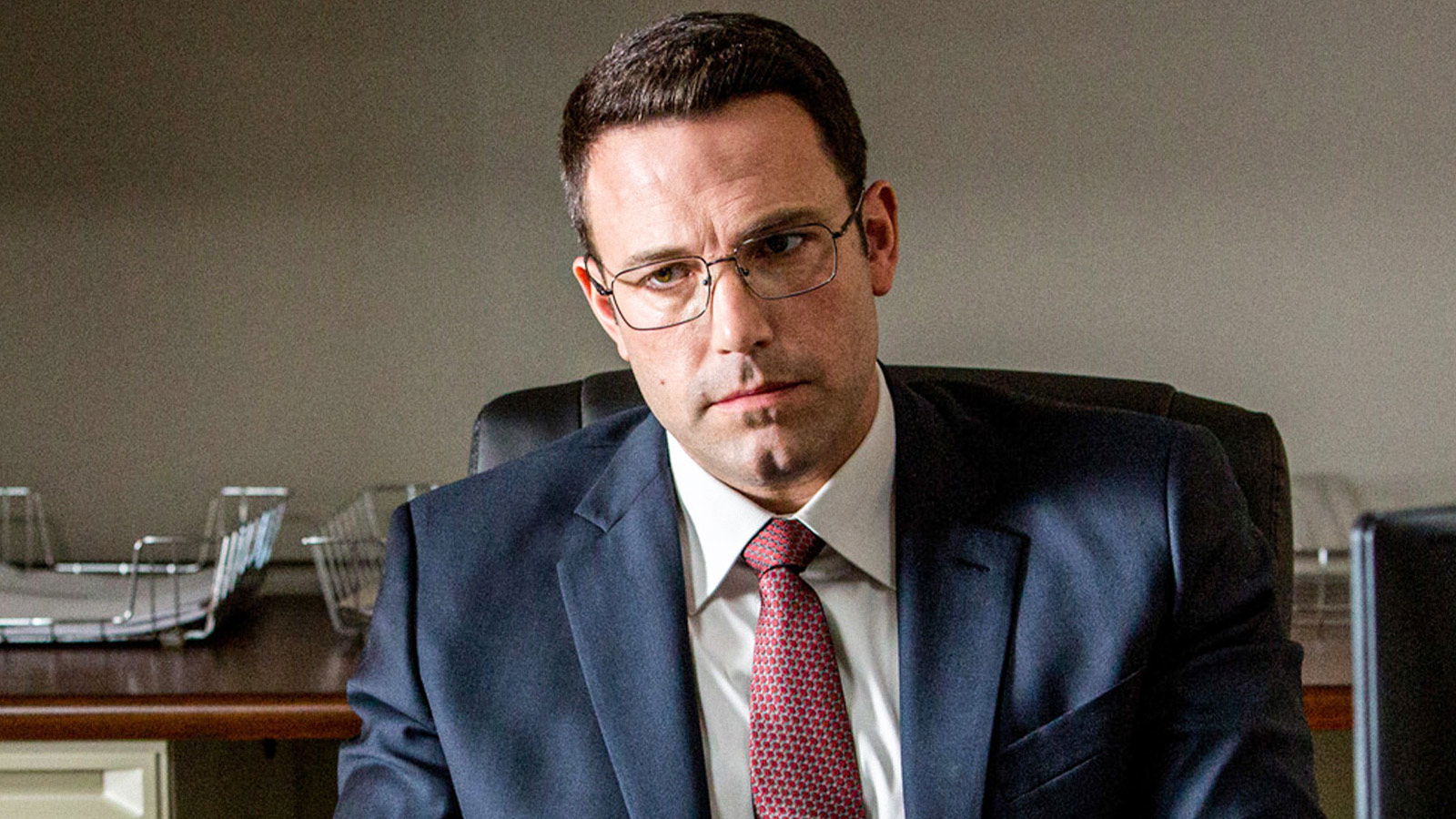
Ben Affleck says movies are dying because the system that once allowed creativity to breathe has slowly turned into a closed circuit, where only the safest ideas survive and everything else gets priced out. In a new interview, Affleck doesn’t point fingers at streaming or younger viewers. Instead, he calls out the real culprit: an industry that has priced originality out of the room and locked the door behind it.
He speaks from experience. Long before Good Will Hunting put his name on the map, he was grinding it out on films made for a few hundred thousand dollars or, if luck smiled, a million. Back then, that felt like real money, but it kept the door ajar. You could take a swing, miss, and live to fight another day. Careers were built brick by brick, not overnight. As he explains it, the problem begins when even the smallest professional movie becomes an expensive gamble.
I mean, sadly, there is some truth to that. Going back to what I kind of talked about initially, where I started in this business was before Good Will Hunting, doing very low-budget movies. Like a $250,000 movie, or a million-dollar movie, which to me seemed like a lot of money. You had to go get a million dollars from somebody.
Affleck says those films mattered because they let people get a foot in the door without needing an instant home run. That ladder, he argues, has snapped. Budgets rise fast, marketing doubles costs, and studios recoup only about half of box office returns. What’s missing is breathing room. He says:
I thought it shouldn’t be that the barrier to entry is so high. I think there should be, and there are, but it needs to improve, tiers where you can come in and do something that’s not trying to be a very big commercial movie. Trying to take some risks. Trying to do some interesting stuff that still can use professional people.
Affleck also explains why California is bleeding productions. Other states and countries offer tax incentives so steep that staying in Hollywood stops making sense. When those rebates swallow a third or more of a film’s budget, the choice stops being creative and turns purely mathematical.
It’s one thing if you’re talking about five percent of the budget. When it’s thirty or forty percent of the budget, you’re fucked. You really have no choice.
The result, he warns, is an industry stuck repeating itself.
As a consequence, when something’s more expensive, people get risk-averse. And when you’re risk-averse, you tend to just do the same shit. So you get safe, homogenized stuff. And it becomes a vicious cycle.
For Affleck, this is not nostalgia speaking, it is a diagnosis. Movies did not just change. The system quietly made it harder for new voices to survive at all.
Ben Affleck Reveals Why A-Listers Are Fleeing California
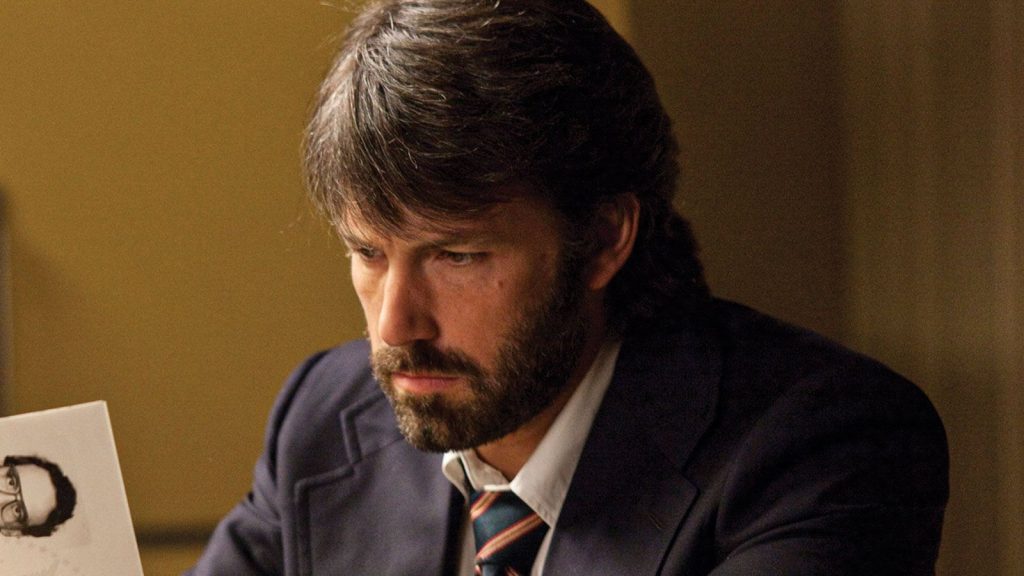
In another interview, Ben Affleck directly connects California’s rising costs to the steady exit of productions. Labor, permits, logistics, and infrastructure all cost more in Los Angeles. Meanwhile, places like Georgia, New Mexico, Louisiana, Massachusetts, Texas, New Jersey, and the UK offer incentives California cannot match.
On the red carpet for The Accountant 2, Affleck said California has taken the industry for granted. Even with Governor Gavin Newsom increasing incentive caps, Affleck believes the state still cannot compete with England’s rebate structure, which explains why many blockbuster productions shoot in London.
Affleck also stresses that the real loss is not stars, but crews (via Daily Mail):
It’s really the technicians and the crew that make or break your movie. You need the best people, you need good people.
When crews follow productions out of state, Hollywood’s foundation weakens. Affleck, who still filmed parts of The Accountant and Animal in LA, acknowledges the Stay in L.A. movement but admits incentives rule decisions.
Other Celebs Echo Fears Over Movie Industry’s Decline
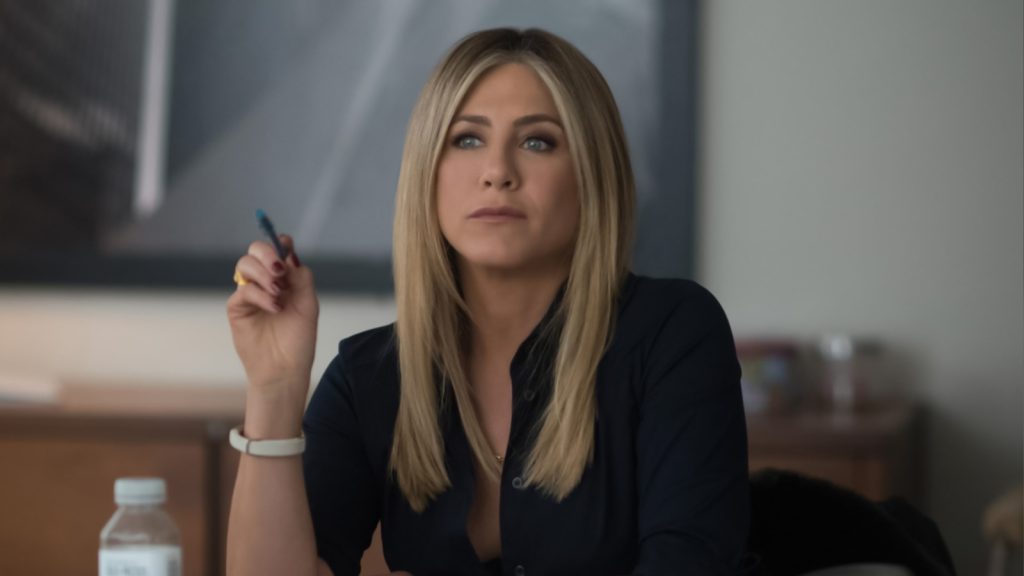
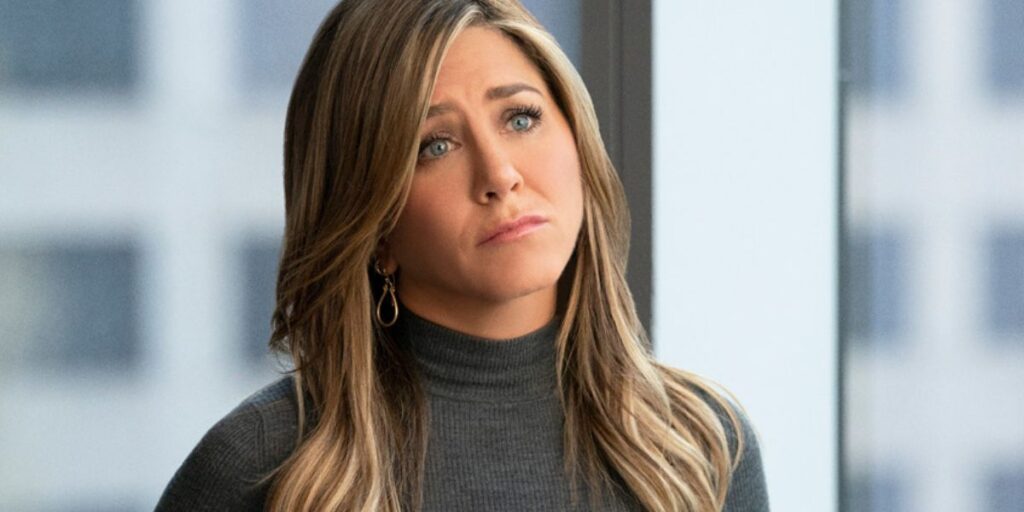
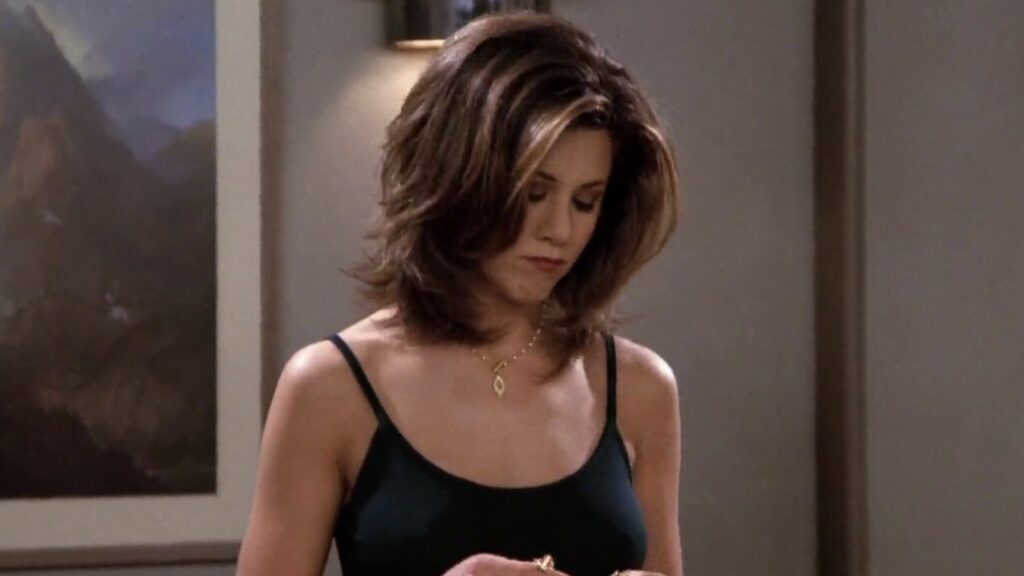
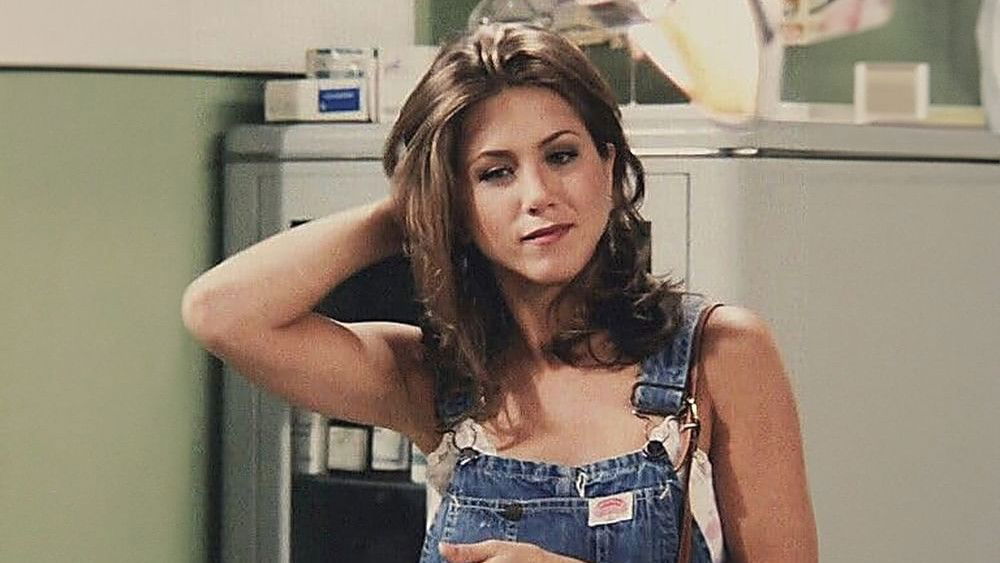
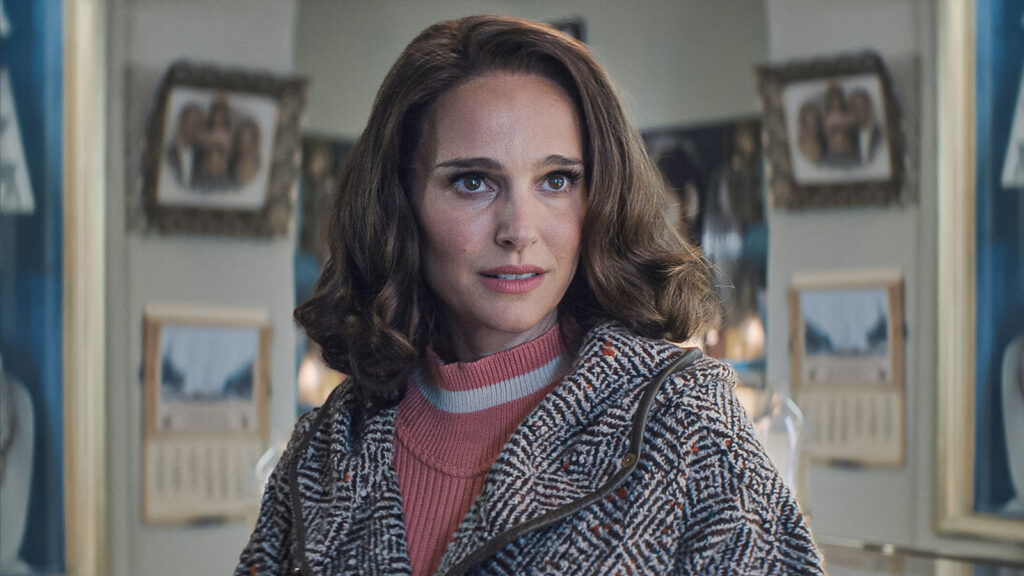

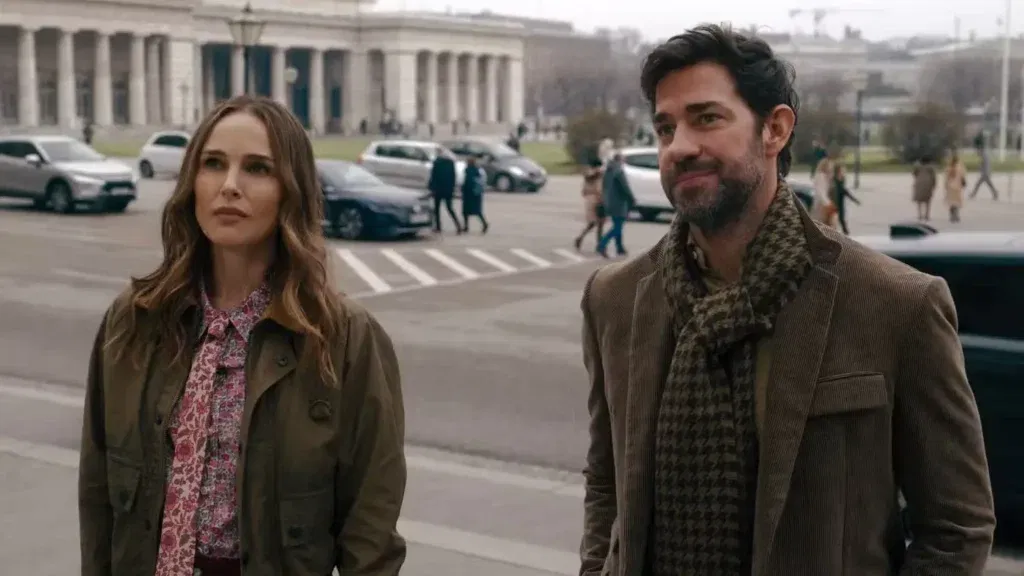
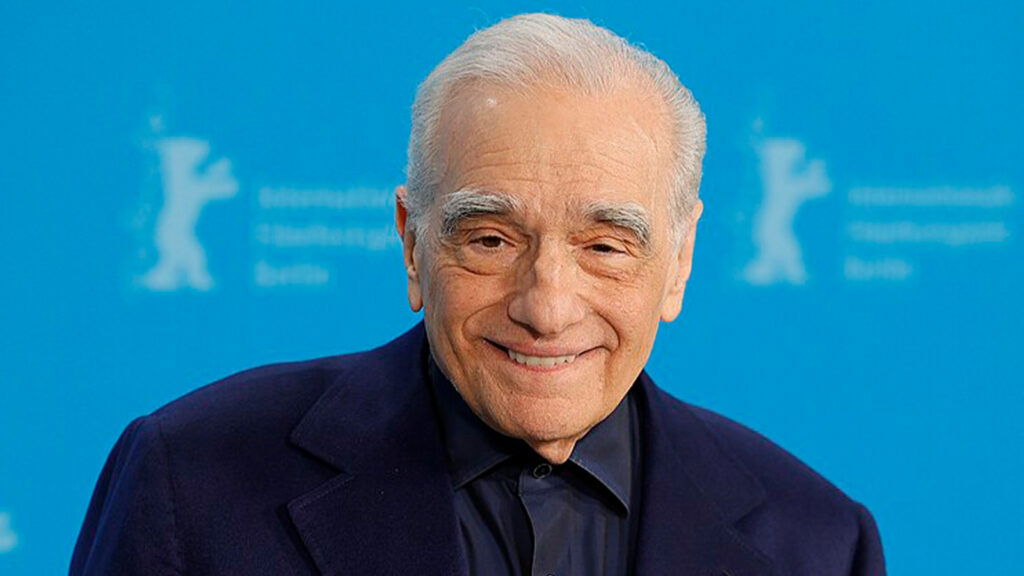
Ben Affleck is far from alone. Jennifer Aniston, Natalie Portman, Martin Scorsese, and others have voiced overlapping concerns. Aniston reacted emotionally when told a friend described her as a once-in-a-generation star (via Allure magazine cover story):
No one’s ever going to be famous the way she is… She’s like a silent-film star among a generation of TikTok dips*its.
Aniston responded:
I’m a little choked up. I feel like it’s dying. There are no more movie stars. There’s no more glamour.
She openly admitted she hates social media and joined Instagram only to promote her brand, LolaVie, despite amassing over 40 million followers. She also believes Friends continues to resonate because it shows people actually talking. Natalie Portman, speaking to Vanity Fair, framed the decline differently:
The striking thing has been the decline of film as a primary form of entertainment.
She sees both loss and liberation, calling it a “two-sided coin” where passion can replace commerce, while access to art has expanded globally. Martin Scorsese added another layer, saying he no longer attends theaters because audience behavior breaks immersion (via The Guardian):
When we talked it was always about the movie and the fun we had chewing over the details.
Ben Affleck is not mourning the past. He is warning about the future. If filmmakers like Matt Damon and Affleck were starting today, would Good Will Hunting even exist? What do you think? Is cinema adapting, or quietly losing its backbone? Drop your thoughts below, argue with me, agree with me, surprise me, and follow FandomWire for more updates.
This post belongs to FandomWire and first appeared on FandomWire
from FandomWire https://ift.tt/YEDrJnw


No comments: