
| Title | Akane-banashi |
| Creator | Yuki Suenaga (story), Takamasa Moue (art) |
| Manga Release Date | February 14, 2022 |
| Anime Release Date | April 4, 2026 |
| Anime Production House | Zexcs |
| IMDb Rating (Anime) | 9.1 / 10 (as of Apr 5, 2026) |
| Streaming | TV Asahi (Japan), Netflix (global), YouTube (selected regions) |
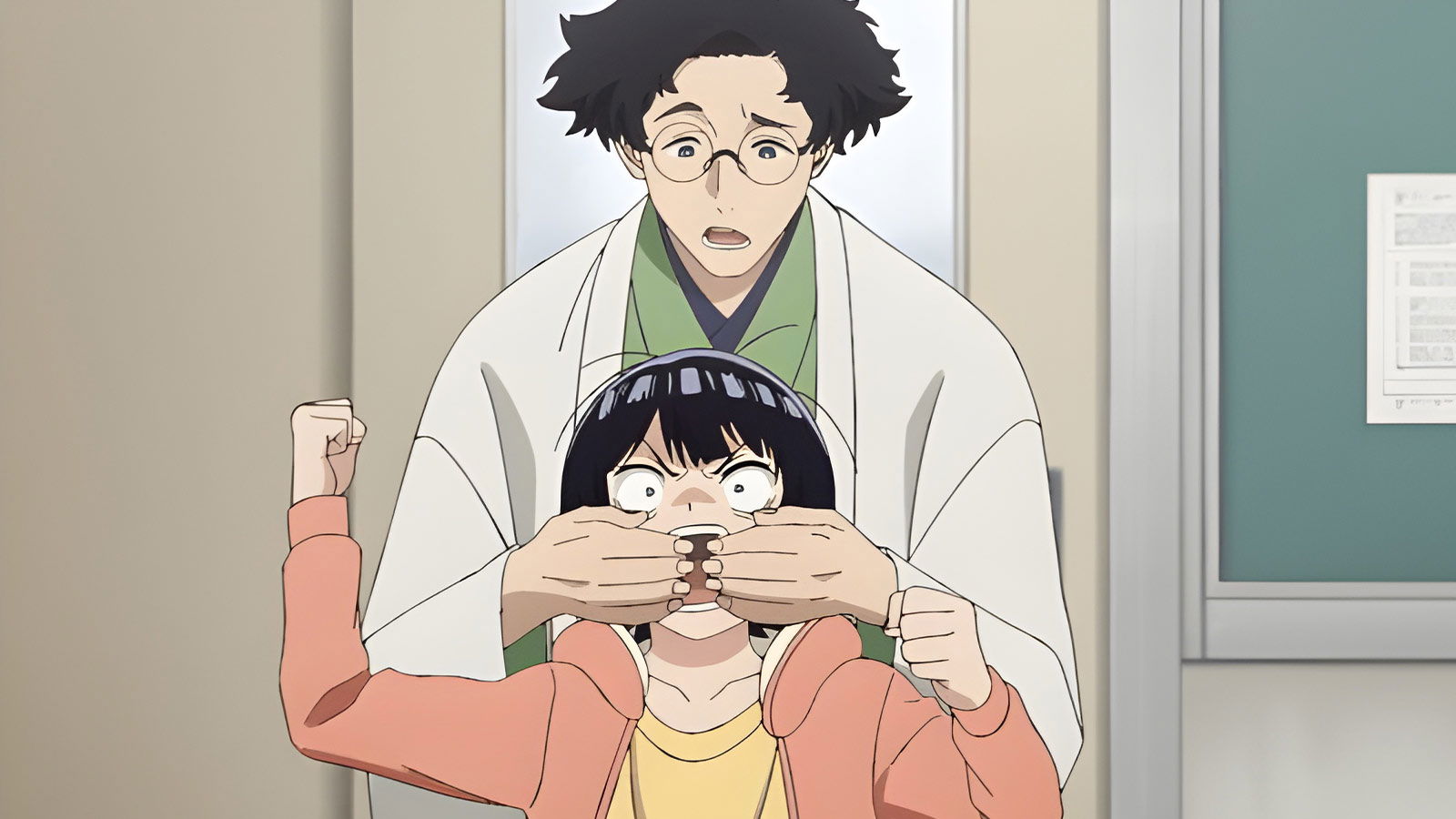
Akane-Banashi gets off to a sharp, emotional start in episode 1, turning a manga already known for its strong opening into an anime premiere. The episode was aired on April 4, 2026, at 9 AM PT. The premiere feels immediate, painful, and unusually mature for a shonen title. The series follows Akane Osaki, a high school girl who grows up loving rakugo after watching her father perform, only to see his dream destroyed when he is expelled during a high-stakes promotion exam.
That core wound is the engine of the story, and the anime does not waste time hiding it. It presents Akane’s motivation as something raw and personal: this is not just a girl chasing a career, but a daughter trying to reclaim her father’s dignity and prove that rakugo is worth fighting for. The result is a premiere that is both a character story and a statement of purpose.
Akane-Banashi is based on author Yuki Suenaga and illustrator Takamasa Moue’s manga, which has been running in Weekly Shonen Jump since 2022. The anime itself is produced by Zexcs, directed by Ayumu Watanabe, and began airing on April 4, 2026, with worldwide streaming on Netflix and regional streaming plans announced for several territories.
Akane-Banashi Episode 1 Shocks With a Brutal Twist in a Near-Perfect Premiere
The premiere begins with a warmth that makes the eventual “fall from grace” feel all the more violent. We see Tohru, a kind-hearted man who has a burning passion for Rakugo. For years, Tohru has practiced tirelessly, and his daughter Akane has been his biggest fan, memorizing his routines and mimicking his gestures.
The atmosphere leading up to the promotion exam is filled with hope, and as Tohru takes the stage, the audience is treated to a stunning display of storytelling. He is on the verge of being promoted to shin’uchi—the highest rank a performer can achieve.
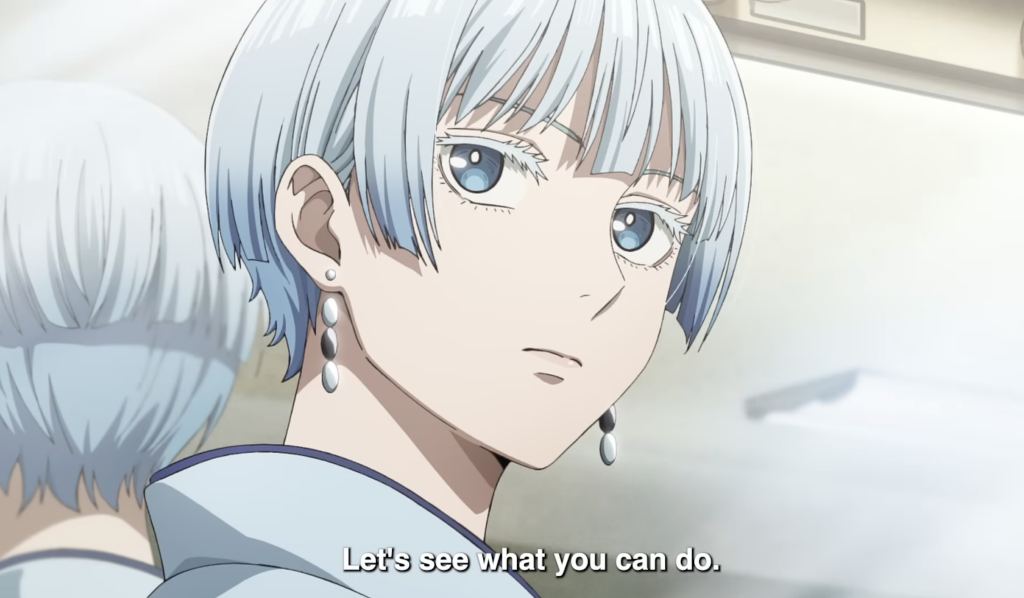
However, the near-perfect premiere takes a dark, unexpected turn. Despite Tohru delivering a performance that clearly moves the audience and demonstrates his mastery, the presiding judge (Issho Arakawa) makes a shocking decision. The legendary and cold-hearted Issho expels Tohru and all other candidates on the spot. In an instant, Tohru’s career is dead. He isn’t just denied a promotion; he is banished from the professional world he gave his life to.
This twist is brutal because it feels fundamentally unfair. It strips away the “meritocracy” we expect in stories, replacing it with the harsh reality of an elitist gatekeeper. The silence in the theater after the expulsion is deafening, marking a shift from a lighthearted coming-of-age story to a high-stakes drama about reclaiming lost honor.
Akane’s Resolve Is Born From Her Father’s Heartbreaking Downfall
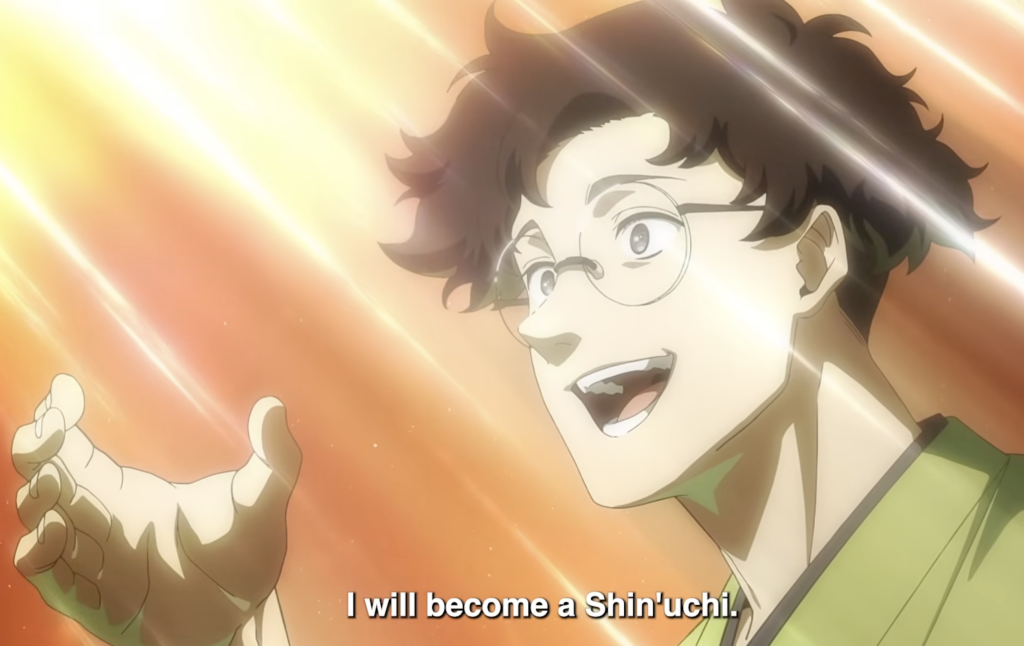
At the heart of episode 1 is Shinta’s collapse, not in a literal sense, but in the way his future is stolen from him. The story makes clear that Akane grows up idolizing her father’s discipline and artistry, and she even watches and imitates him from behind a closed door, which gives their bond a quiet intimacy.
That detail matters because it shows that Akane’s resolve does not come from abstract ambition. It comes from years of observation, admiration, and helplessness. When Shinta is cast out after the exam, Akane does not simply become determined; she becomes personally invested in restoring a name that was publicly humiliated.
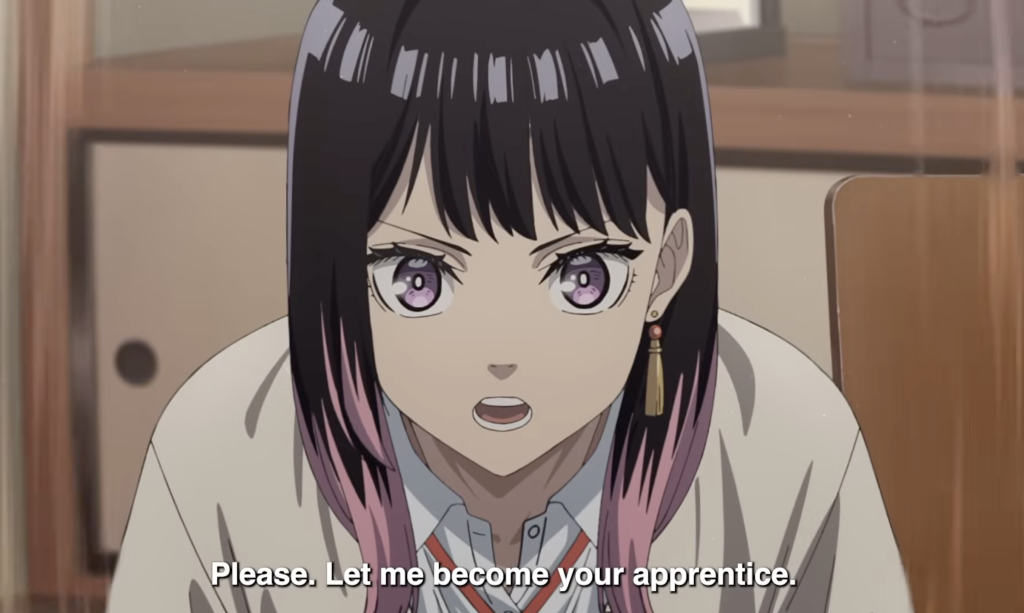
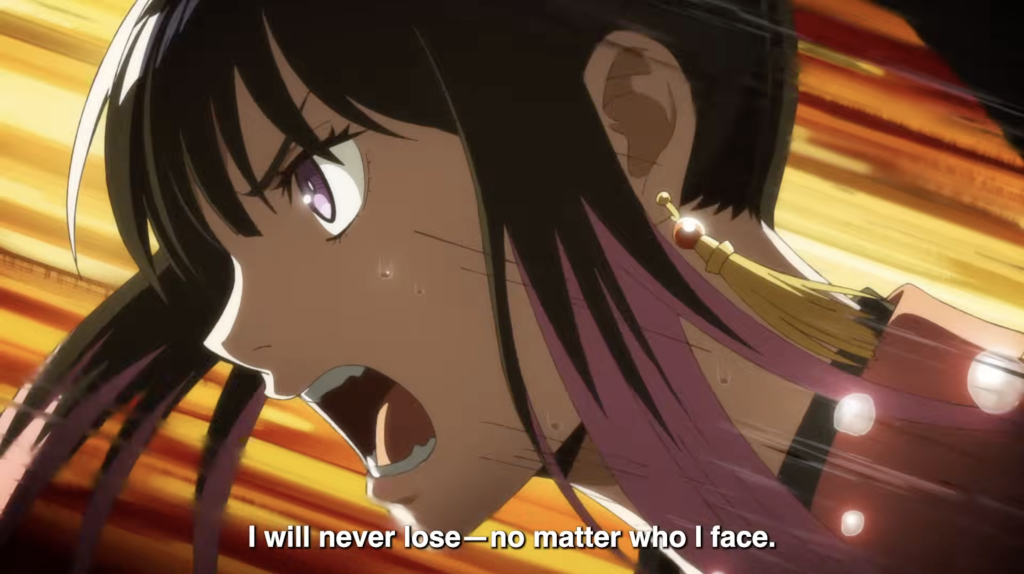
She decides to enter the world of Rakugo herself, not just to become a performer, but to prove that her father’s style and his heart were worthy of the highest honors. The premiere does an incredible job of showing that Akane is not just a “talented kid.” She is a girl fueled by the memory of her father’s tears and the coldness of Issho’s judgment.
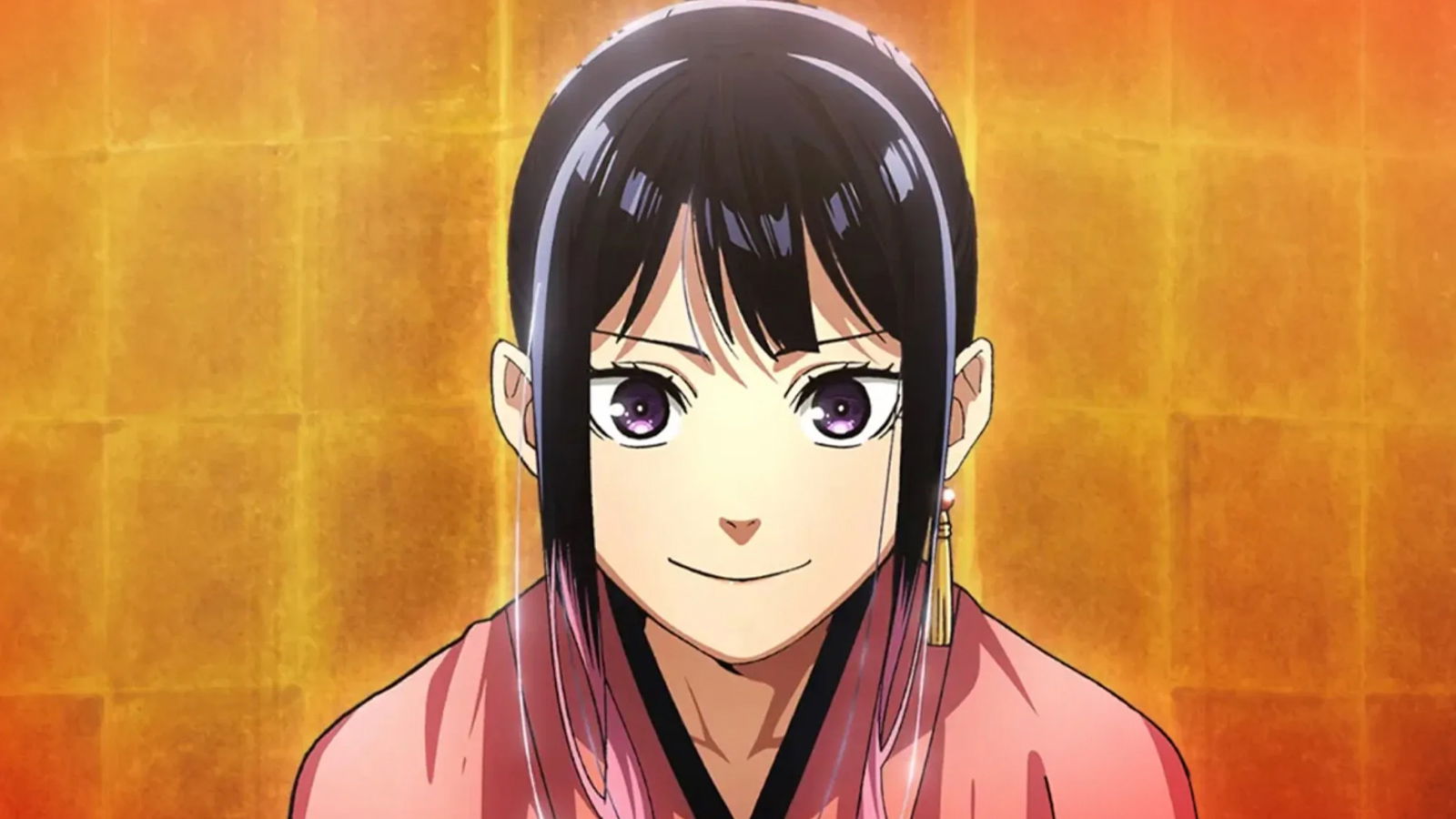
By the end of the episode, we see a time skip that introduces us to a teenage Akane, now sharper and more determined than ever. She has been training in secret, honing her skills to infiltrate the very school that discarded her father. The episode ends with “That day, Shinta Arakawa, my father, died,” so in Episode 2, we will only find out whether what Akane said was metaphorical or literal.
The adaptation perfectly captures the manga’s ability to make a stationary performer feel dynamic. My perspective is that Akane-Banashi is one of the most refreshing stories in years. The first episode sets a very high bar. It establishes a clear villain in Issho Arakawa, a clear goal for our hero, and a tragic backstory that makes it impossible not to root for Akane. Whether you are a fan of the original manga or a newcomer to the anime adaptation, this premiere is a reminder that the most powerful stories are the ones that deal with the human spirit’s refusal to stay down.
What did you think of Akane’s motivation and her father’s downfall? Share your thoughts and theories in the comments below!
Akane-Banashi is streaming on Netflix worldwide. Episode 2 will air on April 11, 2026.
This post belongs to FandomWire and first appeared on FandomWire
from FandomWire https://ift.tt/ThNCZJ5


No comments: