
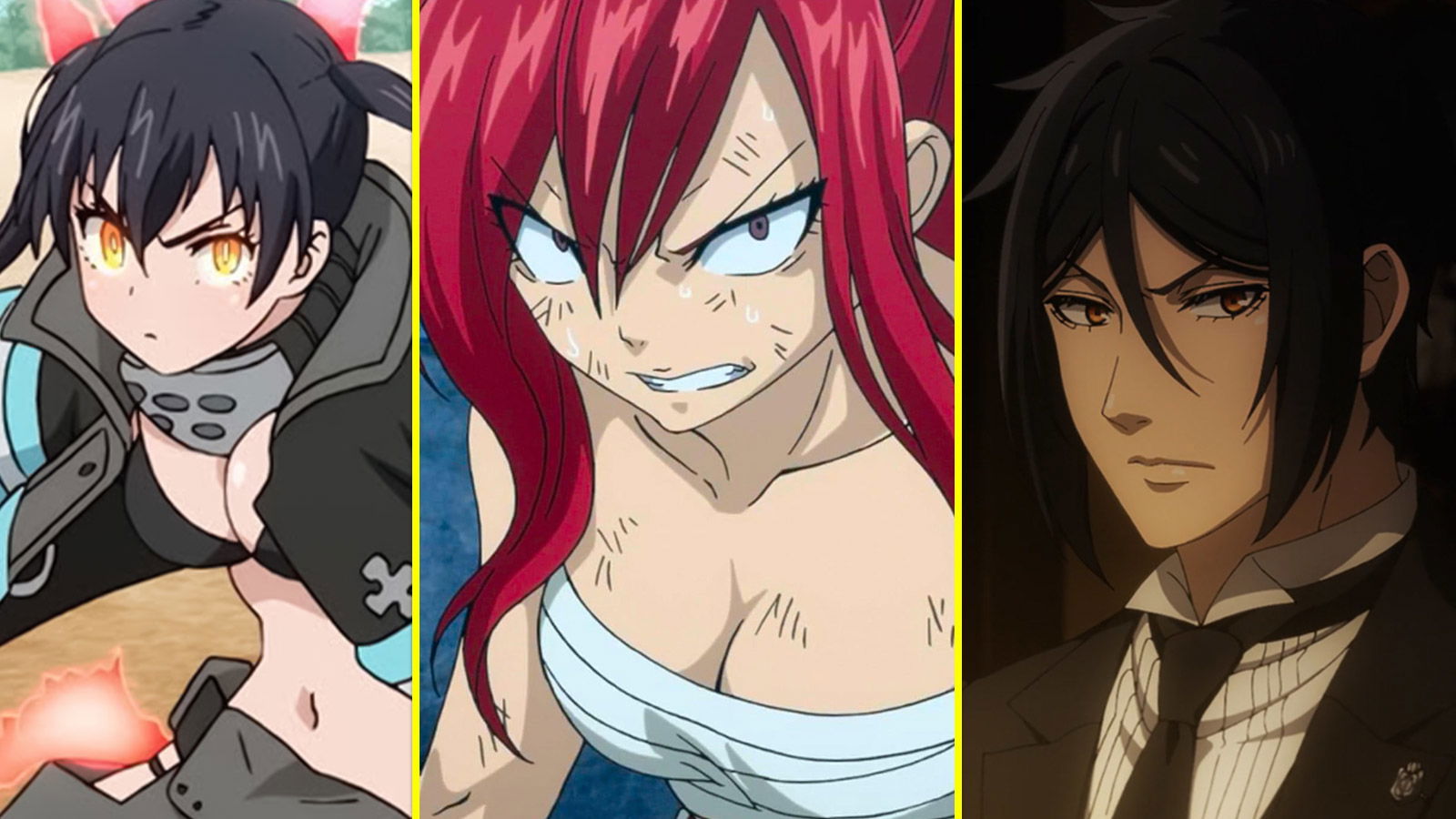
Fan service in anime is not inherently bad; when used with restraint, lighthearted humor or playful character design can add charm to a series. However, fixing the anime fan service problem, where relentless s*xualization repeatedly undermines otherwise excellent storytelling, is essential for these shows to reach their full potential. When a high-stakes battle cuts away for a gratuitous fan service, or a dark character arc is derailed by invasive camera angles, the narrative takes a direct hit.
Series with incredible world-building, deep lore, and brilliant emotional payoffs often shoot themselves in the foot by reducing their female leads to eye candy or gag props. These 5 genuinely great anime had all the potential in the world, but were continually dragged down by exploitative visual tropes, tonal whiplash, and deeply uncomfortable situations.
5. Food Wars Lost Its Culinary Focus to Over-the-Top Foodgasm
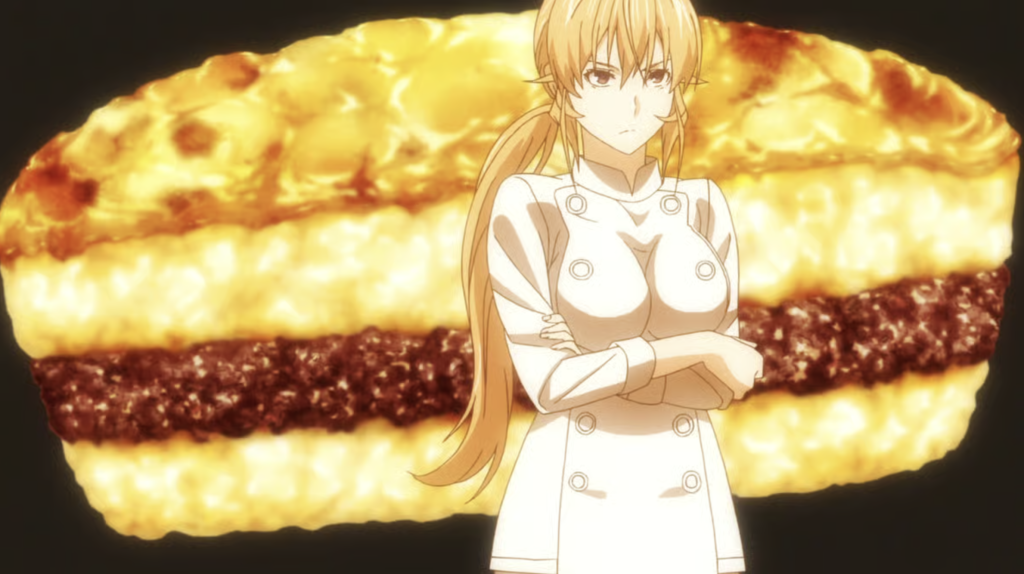
At its core, Food Wars! Shokugeki no Soma is an exhilarating sports-style anime about high-stakes culinary battles. Its creative recipes, sharp dynamic pacing, and genuine passion for gastronomy make it an absolute thrill to watch. However, its signature “foodgasm” gag, where tasting delicious food causes characters’ clothes to burst off, rapidly degraded from a cheeky exaggerated metaphor into repetitive, distracting softcore imagery.
The joke wore thin fast, shifting focus away from intricate cooking techniques and intense rivalries to focus on objectifying its cast. It ranks 5th because its fan service is baked into the premise, making it somewhat predictable, yet it undeniably dilutes a stellar culinary narrative.
4. Sword Art Online Ruined Dark Arcs With Uncomfortable Fan Service
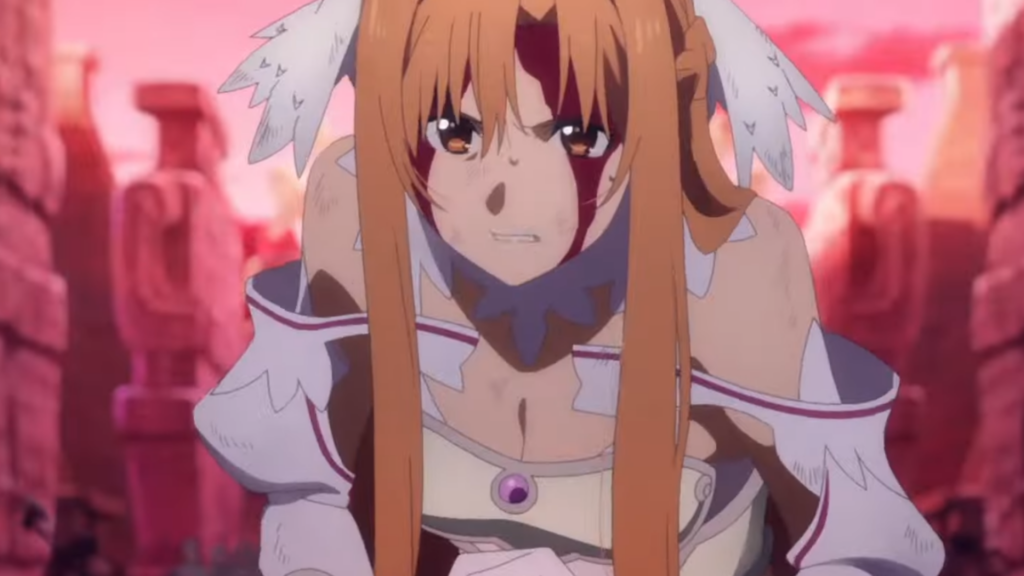
Sword Art Online revolutionized the modern isekai genre with its compelling virtual reality concept, gorgeous action sequences, and high-stakes survival premise. Unfortunately, its dramatic storytelling is often weakened by unnecessary ecchi humor, s*xualized fan service, and uncomfortable situations involving its female characters.
However, the anime repeatedly surrounds Kirito with female characters, often giving each new arc a girl who appears unusually focused on him. Along with fan service and suggestive scenes, it can make the series feel like a harem. Fans have debated this exact criticism, with some arguing that the anime adaptation exaggerates the harem-like elements. It ranks fourth because of these elements and the constant tonal shifts.
3. Black Butler Pushed Creepy Boundaries With Underaged Titillation
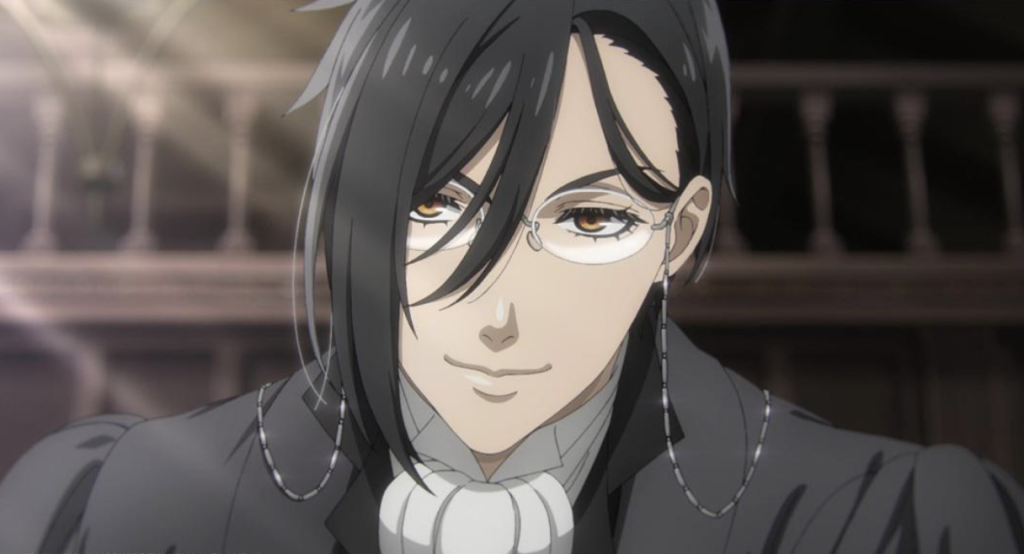
Black Butler (Kuroshitsuji) boasts a brilliantly dark Victorian gothic atmosphere, dark themes that still resonate with fans, and a morally complex contract between a vengeful young earl (Ciel) and his demon butler (Sebastian). Yet, the series frequently undermines its moody aesthetic with deeply uncomfortable fan service involving Sebastian. For instance, the objectification of Hannah Annafellows was unnecessary to the plot.
Another notable example is Ciel’s Demonic Contract Activation scene, which uses suggestive imagery involving the underage protagonist in a way that many viewers find uncomfortable. The series also repeatedly leans into the clumsy maid trope with characters like Mey-Rin, using wardrobe malfunctions, exaggerated physical comedy, and suggestive camera angles. These moments can clash sharply with the show’s otherwise sophisticated gothic tone, earning its third place on this list.
2. Fire Force Undermined Its Female Lead With Relentless Fan Service
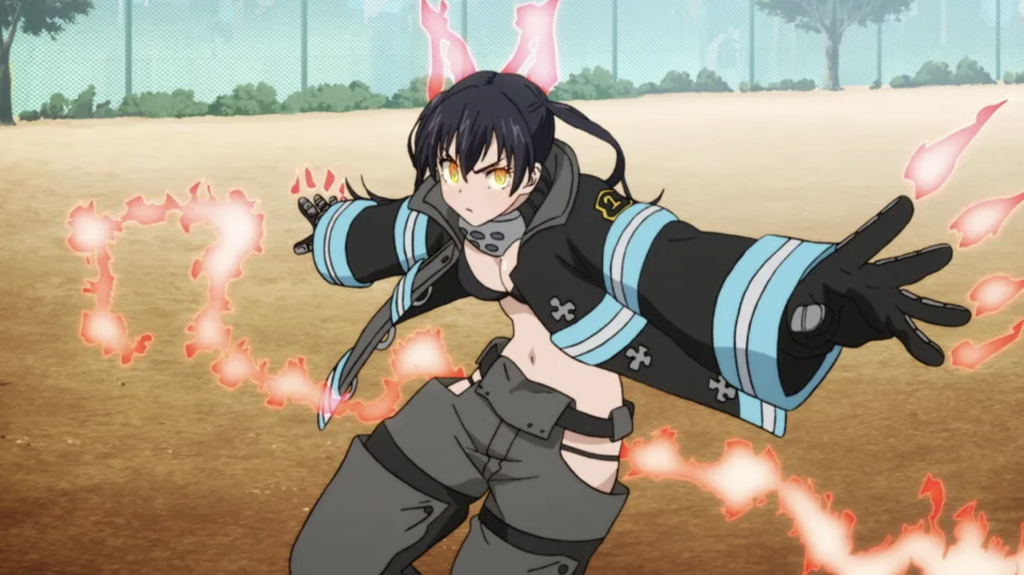
Fire Force features some of modern shonen’s most stunning animation, unique sound design, and an intriguing apocalyptic world built around supernatural firefighters. Yet, its incredible fight choreography is routinely ruined by Tamaki Kotatsu and her “Lucky Lecher” trope. During life-or-death battles and emotional character moments, Tamaki’s clothes mysteriously fly off, turning tense fights into unwelcome slapstick ecchi.
Even Iris, though she is dressed as a nun, her body-hugging uniform and the fact that most of the time her clothes are flying away make the scenes a hard watch. This jarring tonal dissonance robs the story of any genuine gravitas. It takes 2nd place because the fan service directly destroys the emotional weight of crucial plot points.
1. Fairy Tail Turned Its Female Characters Into Barely Dressed Eye Candy
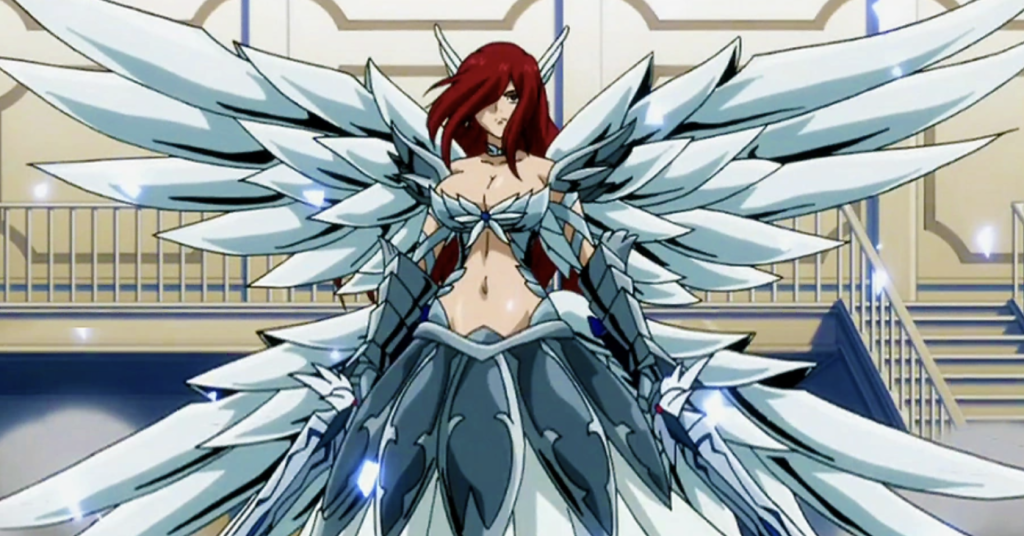
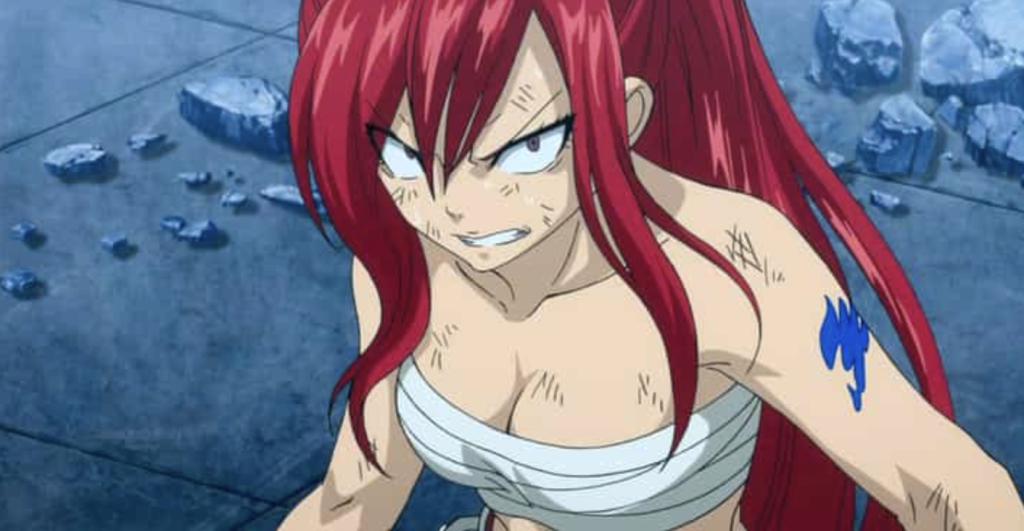
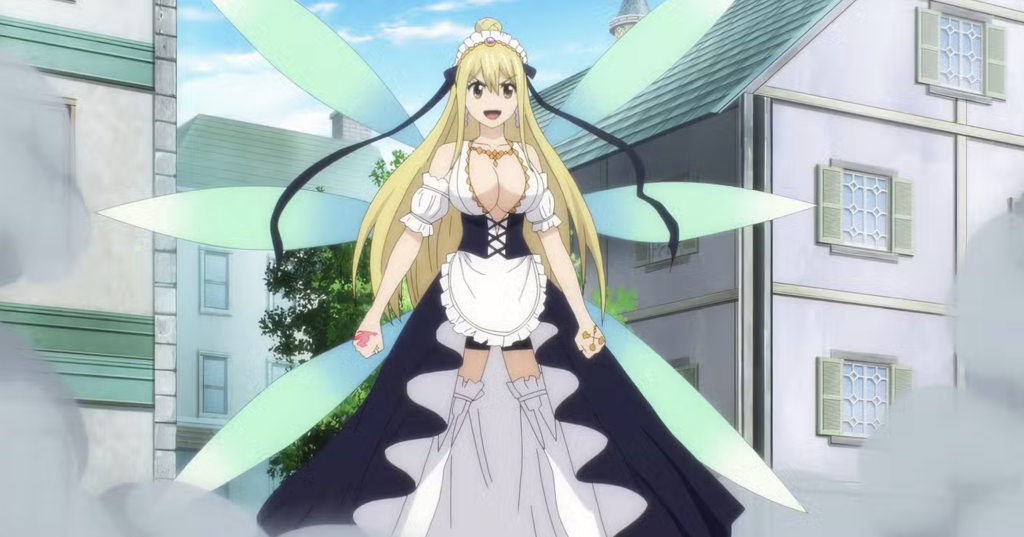
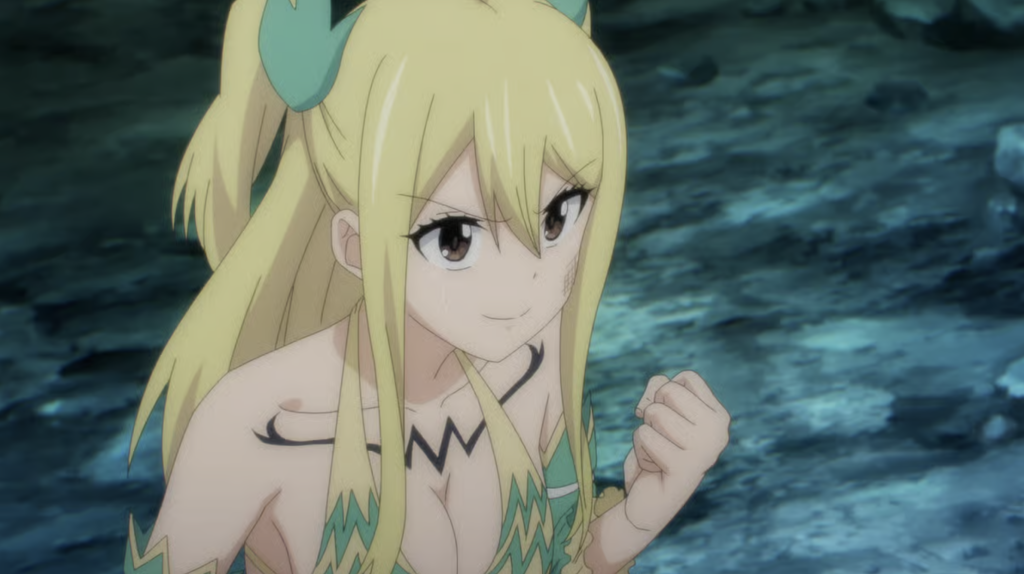
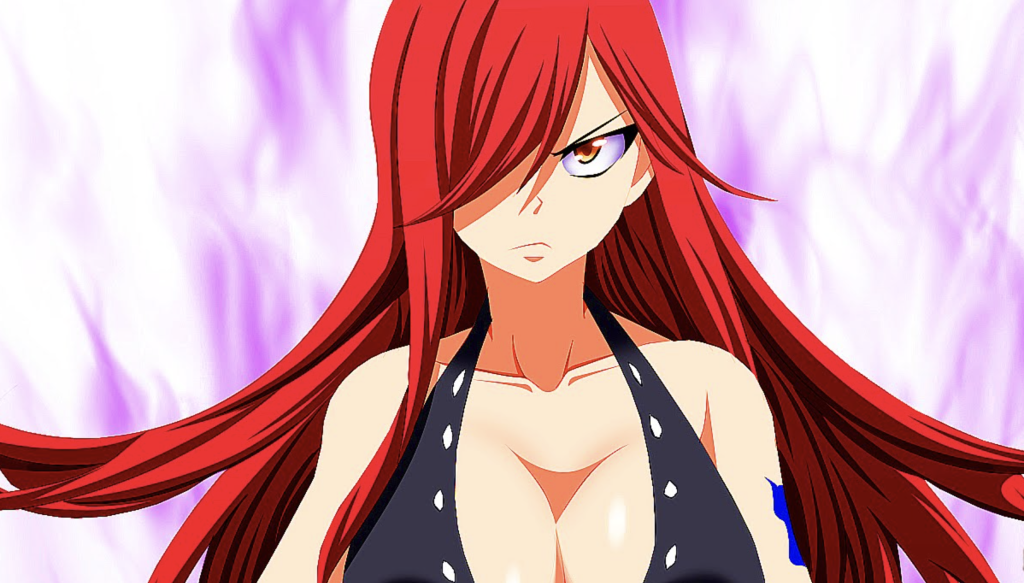
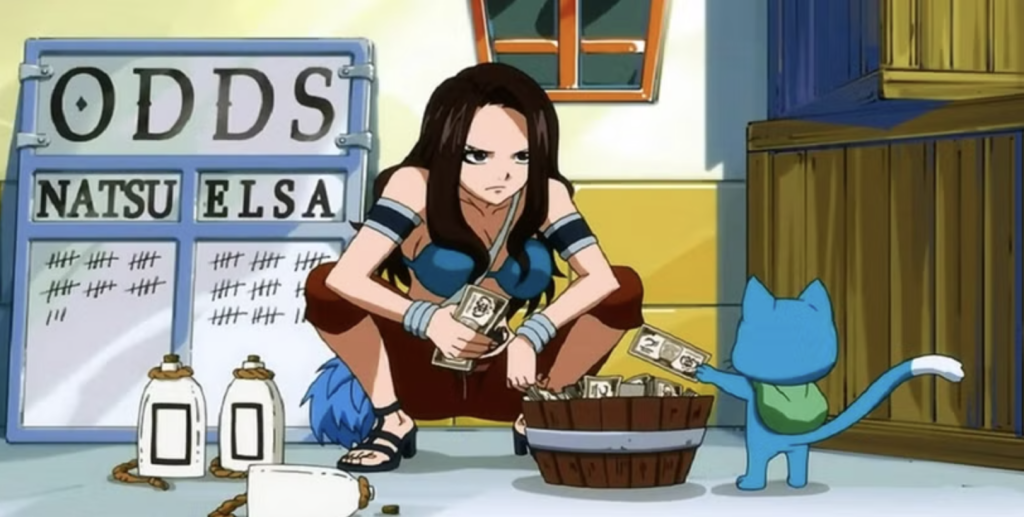
Fairy Tail is an epic fantasy adventure with world-class music, heartwarming themes of found family, and deeply lovable characters. Sadly, Hiro Mashima’s series holds the top spot for progressively undermining its brilliant female cast through excessive visual tropes. Powerful mages like Erza are regularly placed in compromising armor or overly exposed outfits, while characters like Lucy, Cana, and even Mirajane often find their high-stakes battles derailed by uncomfortable, fan service-heavy framing.
The fan service grew so relentless post-timeskip that it completely overshadowed real character development and emotional payoffs. It ranks #1 because no other show spent hundreds of episodes systematically undermining its own phenomenal heroines for cheap eye candy.
Here is the ranking table based on the article’s order:
| Rank | Anime | IMDb Rating (as of July 21, 2026) | Where to Watch in USA |
| 1 | Fairy Tail | 7.8/10 | Crunchyroll |
| 2 | Fire Force | 7.6/10 | Crunchyroll |
| 3 | Black Butler | 7.6/10 | Crunchyroll, Hulu, Prime Video |
| 4 | Sword Art Online | 7.5/10 | Crunchyroll, Hulu (Alicization Arc) |
| 5 | Food Wars! Shokugeki no Soma | 8.0/10 | Hulu (Seasons 1 & 2), Crunchyroll (Seasons 3 to 5), Netflix (Seasons 1 & 2), HiDive (Seasons 1 to 3) |
Do you agree with the ranking, or did we miss an anime that fan service completely ruined? Tell us in the comments!
This post belongs to FandomWire and first appeared on FandomWire
from FandomWire https://ift.tt/gMZcQPi


No comments: