
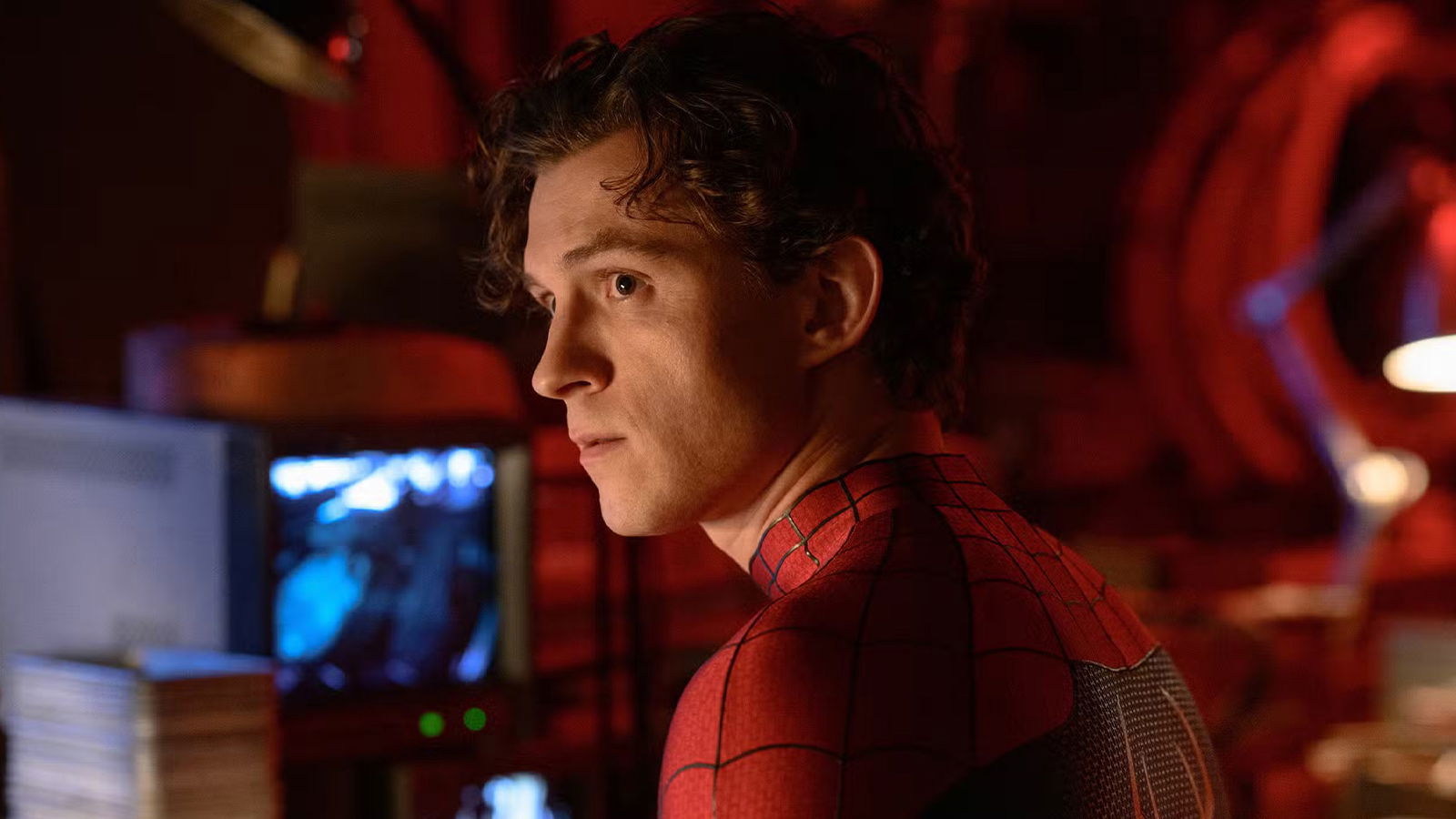
Tom Holland hated an early cut of Spider-Man: Brand New Day after the editing team applied suggestions collected from people who had watched an unfinished version. Speaking to Quotable, Tom Holland said the cast and filmmakers watched several versions during post-production. One assembly incorporated the accumulated notes from people invited to preview the movie, but the experiment produced the opposite of the intended result. “And then, we watched it and we hated it,” Tom Holland said. He was even blunter about the outcome:
It totally didn’t work.
Holland explained that the audience-driven changes did not match what the creative team wanted, although the failed attempt taught them how drastically a movie could change inside an editing room. Destin Daniel Cretton directed the sequel from a screenplay credited to Chris McKenna and Erik Sommers.
Fan Notes Broke Spider-Man: Brand New Day Early Cut
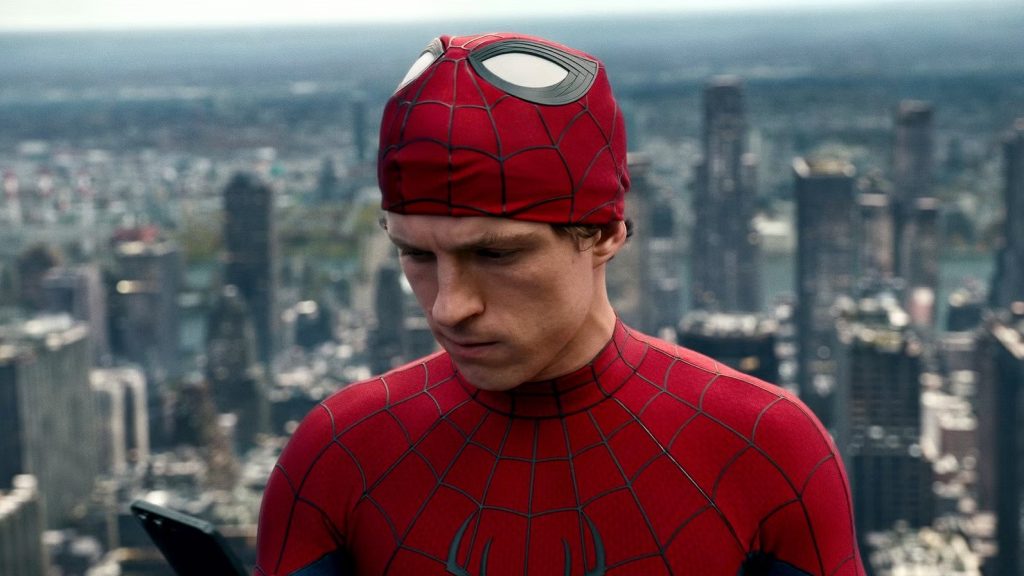
Preview screenings give filmmakers a chance to learn where viewers become confused, restless, amused, or emotionally detached before a movie reaches theaters. Studios may ask participants about pacing, relationships, jokes, action, or an ending, but those responses are evidence rather than a ready-made rewrite plan. The Directors Guild of America’s creative-rights guidance includes rules covering previews of a director’s cut, reflecting how established these screenings are within studio filmmaking. Editors then continue refining structure and timing with directors and producers, a process outlined in ScreenSkills’ description of film editing.
The abandoned Spider-Man: Brand New Day version appears to have tested what would happen if the filmmakers followed the audience suggestions more comprehensively. Trying those changes was not necessarily a creative surrender. It gave the team a complete edit they could judge, and their negative response supplied a firm reason to reverse course. Audience comments often identify a symptom more effectively than a cure. Viewers may sense that a section drags or that a character’s decision lacks context, yet their suggested fix can disturb another setup, remove a necessary pause, or flatten the movie’s tone.
One request may call for additional explanation, while another asks the filmmakers to shorten the same passage. Following both can leave an edit that pleases neither group. Spider-Man makes that problem harder because several generations of viewers want different things from the character. Some prefer a smaller New York story, others expect Marvel cameos, and plenty remain invested in Peter Parker’s relationships with MJ and Ned Leeds. Trying to satisfy every preference can make a movie resemble a committee document rather than one deliberate adventure.
Tom Holland did not disclose which sequences changed, how long the rejected cut lasted, or which audience requests were adopted. Claims that it contained removed villains, cameos, or an alternate ending currently have no verified basis.
Tom Holland Helped Build Spider-Man: Brand New Day
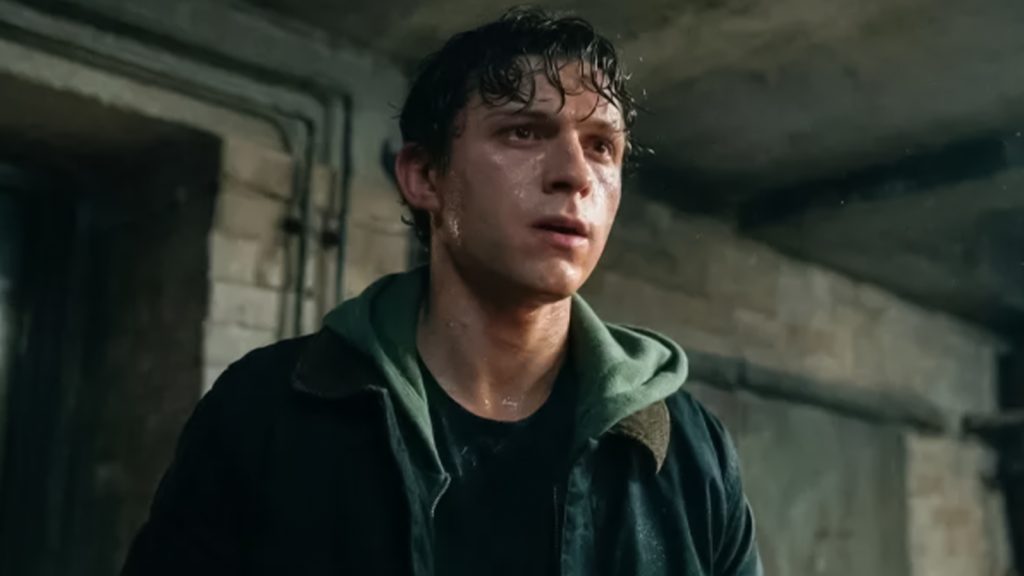
Tom Holland’s objection carried more influence because his involvement began during development. In an interview reported by TheWrap, Tom Holland said this was the first Spider-Man movie that welcomed him into the writers’ room. His initial pitch was nicknamed “Spider-Puberty” and asked what would happen if Peter Parker began losing control as his body and powers changed. The studio rejected the phrase, but the underlying idea survived. Sony’s official synopsis describes an isolated Peter Parker fighting crime full-time while pressure triggers a physical transformation he may be unable to control.
That premise helps explain why Tom Holland would care about whether the final edit preserved the intended trajectory. The script continued evolving after Chris McKenna and Erik Sommers prepared the sequel. TheWrap reported in June that Challengers writer Justin Kuritzkes contributed rewrites and would receive a writing credit. No reliable report connects Justin Kuritzkes directly to the disliked preview version, so the two developments should not be merged.
Destin Daniel Cretton’s film also had to continue Peter Parker’s life after Spider-Man: No Way Home, which ended with the world forgetting him. Tom Holland told Reuters that the older Peter Parker lacks the support of his two closest friends, and he described the movie as a cautionary tale about isolation and asking for help. That emotional direction would be particularly vulnerable to excessive tinkering. An edit can add fan service or accelerate the action, yet Peter Parker’s loneliness needs enough room to register. If the preview-driven version kept answering every request, it may have disrupted the balance between personal consequences, humor, and superhero spectacle. That is an inference from Tom Holland’s remarks, not a confirmed account of the removed material.
Early reactions suggest the team eventually found a stronger configuration. Would you still want Sony to release the hated cut as a home-video extra, or should this abandoned version stay inside the editing room? Drop your verdict in the comments, and follow FandomWire for more Spider-Man: Brand New Day news.
This post belongs to FandomWire and first appeared on FandomWire
from FandomWire https://ift.tt/QcyxbHX


No comments: