
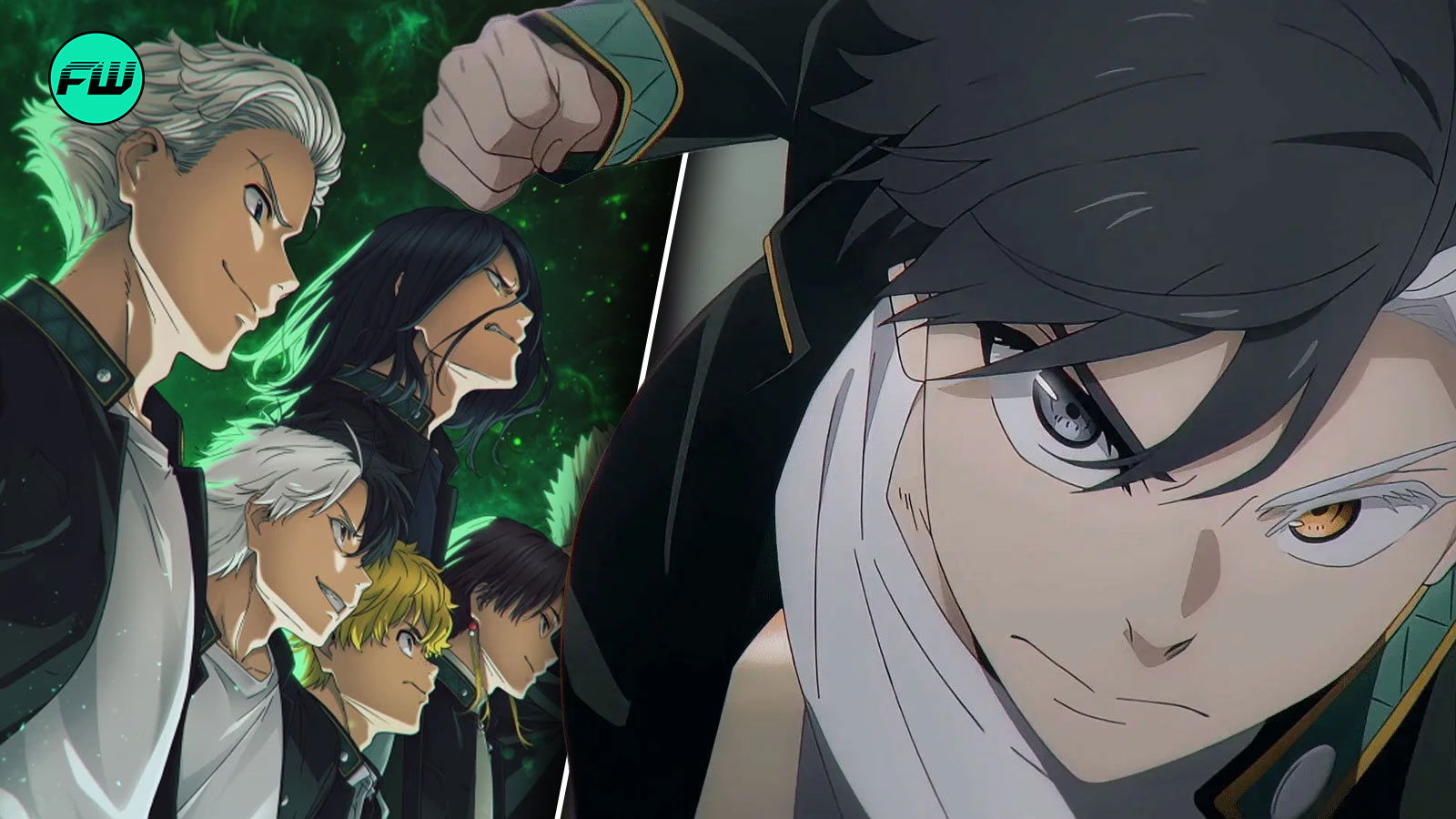
Horimiya, Black Butler, and Spy x Family all have one thing in common and that is, their animation studio. CloverWorks is one of the finest animation studios whose work spans different genres. Be it mecha, romance, or adventure anime, we asked for it and they delivered it!
With Wind Breaker, however, they upped the ante. The manga has some solid fight scenes, emotional moments, and heartbreaking scenes that make the narrative all too compelling. The studio, however, didn’t hold back from executing these elements to a T.
The recent episode, in particular, proved that Satoru Nii’s series isn’t all fight scenes and edgy teenagers strutting around like delinquents. Such is the case with Haruka Sakura, who is probably everyone’s favorite character by now. This fits perfectly with the series’ themes of strength, resilience, and resolve.
CloverWorks made Sakura the best character
When we think of delinquents, there are often the overused tropes and clichés. The cool, sassy, and easygoing folks who flout norms. They have colored hair, are hard-boiled, and yet, they follow their truth and stand up to it. This is exactly what Satoru Nii does in his manga, except he steers clear of clichés.
The Bofurin has delinquents that come in all hues. There’s Nirei, who has a knack for collecting data on guys whom he finds cool. Quite the fanboy, now isn’t he? Then there’s Suo, whose character design screams edgy and sassy, and so does the personality. Though nothing compares to Haruka Sakura.
At first, Sakura’s introduction had fans deeming him a stereotypical tsundere MC. His social awkwardness and aloofness are something we could relate to. This was followed by his not-so-occasional blushing, which is a constant gag in the anime.
What makes it all the more familiar is that the social awkwardness and independence stemmed from his personal experience. His past experiences led him to embrace his true self. That includes his appearance and demeanor, and CloverWorks beautifully laid this detail out in Season 2 Episode 5.
The tightrope metaphor is commonly used to describe his struggle to depend on others. This affects his friendships and relationships because people ridiculed him for who he was. Heterochromatic eyes and hair was something people didn’t understand, yet it didn’t faze him.
As he walks on the rope, the scene shows a flashback of Umemiya’s words ringing in his ears. He enters the classroom and apologizes to his friends, who accept him as he truly is. His ability to be vulnerable with others was a marker of strength and courage that remains a common theme in the manga.
Strength, resilience, and resolve in Wind Breaker
Wind Breaker is a story of delinquents who carry a sense of justice and bravado in their unique way. Bofurin members have individual belief systems when it comes to strength. There’s Tsubaki, who finds courage through self-expression and their gender identity.
There’s strength in silence, especially in Umemiya’s case, where he acts as a nurturer to other members. This is also synonymous with Kotoha, who acts as a guiding light to our MC and other characters. While she might not be a fighter, she is a pivotal character nonetheless.
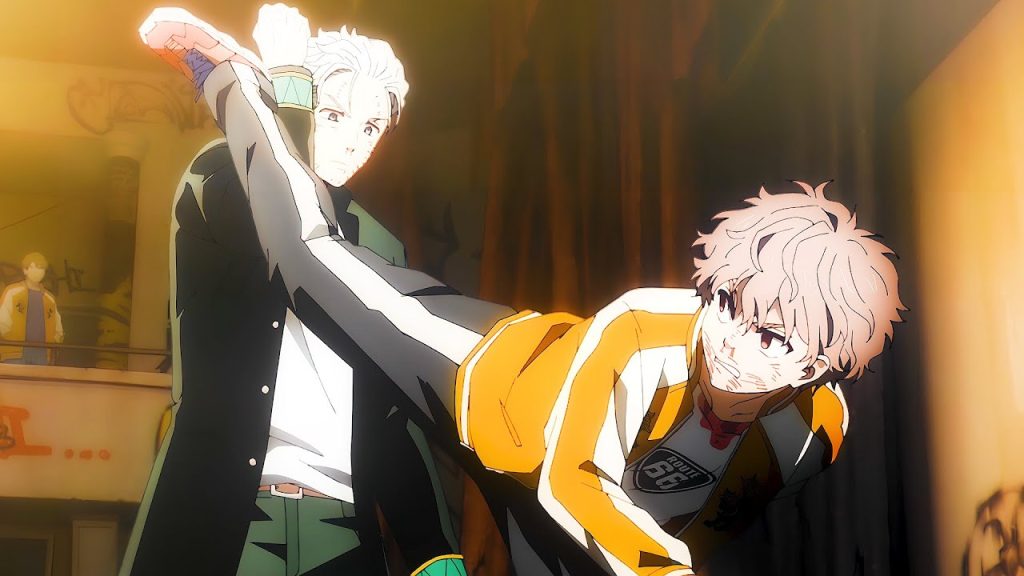
The sense of belongingness and acceptance is what brings out the inner strength in each character. Tsubaki’s gender, Sakura’s past, and Umemiya’s need to protect others become a fuel for the characters to connect well with each other.
With the interplay of monochrome tones, the studio brilliantly highlighted Sakura’s act of letting go and trusting others.
Wind Breaker anime is currently streaming on Crunchyroll.
This post belongs to FandomWire and first appeared on FandomWire
from FandomWire https://ift.tt/KafRW8y


No comments: