
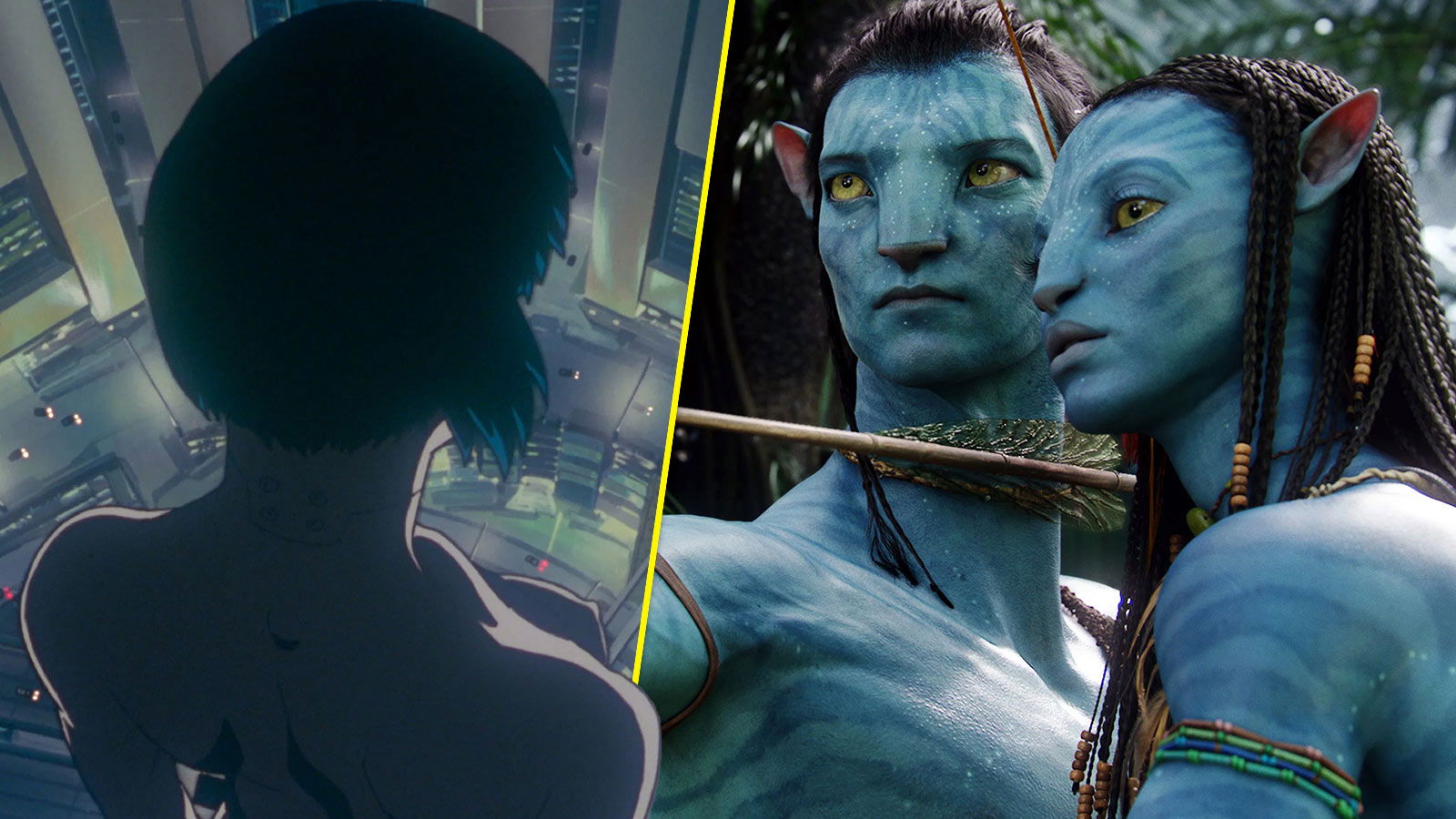
A city glows beneath endless rain. Human bodies merge with machines, consciousness slips beyond flesh, and the future feels less imagined than remembered. When Mamoru Oshii’s Ghost in the Shell arrived in Japanese theaters on November 18, 1995, few could have predicted how far its vision would travel.
Now, nearly 31 years later, the landmark anime is returning to North American cinemas in 4K on September 18, 2026. The 2026 re-release begins across more than 800 theaters, with select venues showing the 4K remaster. But its importance goes beyond nostalgia: James Cameron has openly praised the film, and its ideas about bodies, identity and consciousness echo through the science-fiction cinema that followed.
Ghost in the Shell Was the Visionary Blueprint Behind Avatar’s World
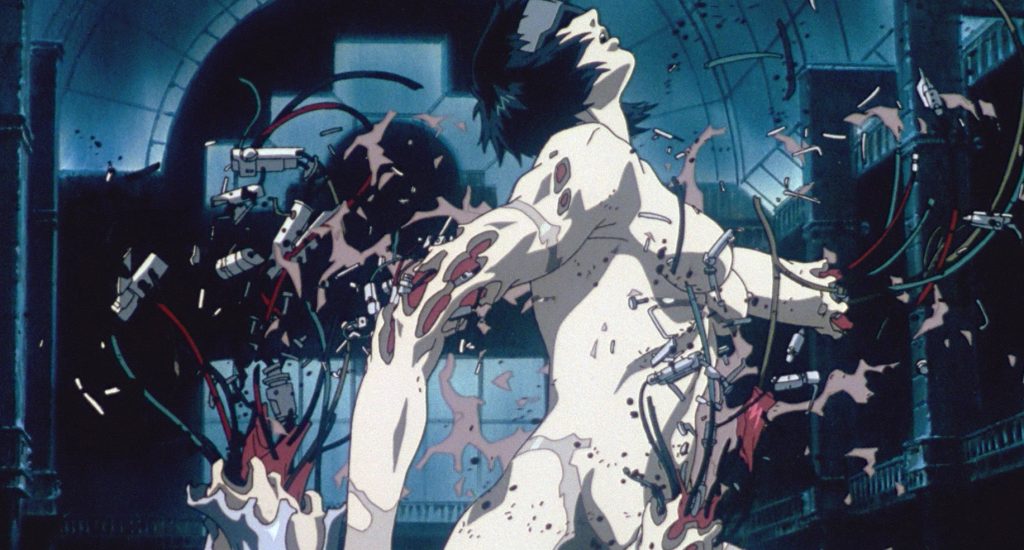
Ghost in the Shell did not literally create Avatar, nor was it the sole blueprint for Cameron’s 2009 blockbuster. But the connection is more substantial than fan speculation. The connection between Ghost in the Shell and Avatar is more complicated, and more interesting than saying one copied the other.
Oshii’s film imagined a densely networked 2029 where humans could connect directly to information systems, manipulate memories and inhabit cybernetic bodies. Its futuristic cityscapes, glowing advertisements, industrial architecture and fluid transitions between physical and digital spaces created a visual language that Hollywood would repeatedly revisit.
Cameron was clearly among its admirers. Production I.G’s own archive preserves his description of Ghost in the Shell as “a stunning work of speculative fiction” and praises its literary and visual excellence. The filmmaker’s appreciation is especially notable because Avatar would later center on a protagonist whose consciousness operates through another body, an idea that invites comparison with Oshii’s preoccupation with the relationship between consciousness and physical form.
That does not make Ghost in the Shell a direct blueprint for Avatar. The films have different worlds, stories, and technologies. But the thematic overlap is difficult to ignore: both ask what happens when identity becomes separable from the body, and both make immersion into an unfamiliar world central to the experience of being human. And Avatar was hardly the only Hollywood film to carry that influence.
There is also a visual lineage. Oshii and Production I.G. built a dense, rain-soaked metropolis through intricate backgrounds, reflective surfaces, neon illumination, and a striking mixture of traditional animation and computer-generated imagery. The film’s Hong Kong location scouting helped give its fictional city an unusually tangible sense of place.
Its influence reached Hollywood even more explicitly through The Matrix. The Wachowskis famously used Ghost in the Shell to communicate their vision for that film, while Production I.G. notes the anime’s broader influence on Hollywood creators. One lesser-known detail makes its technological achievement even more remarkable: Production I.G. says the franchise’s 1997 game used full digital coloring at a time when cel-based animation remained dominant, reflecting the studio’s early embrace of digital production.
Why Oshii’s 1995 Classic Still Demands a Theater Screen
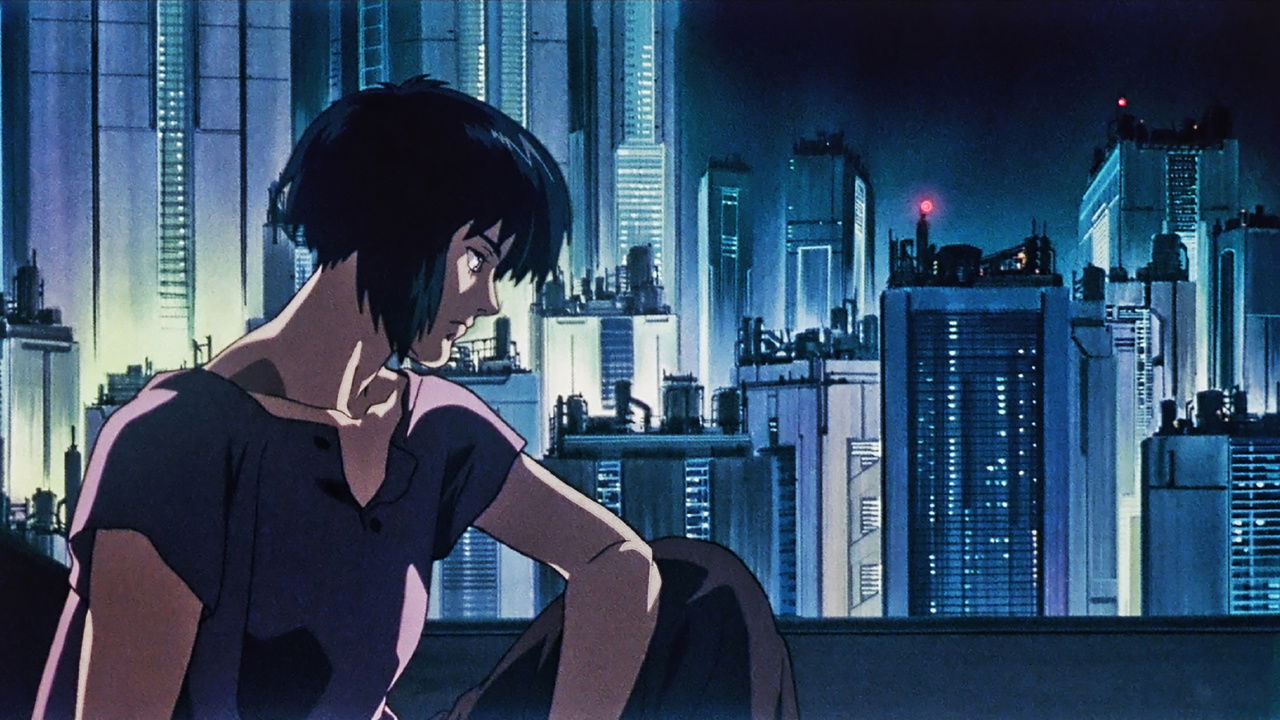
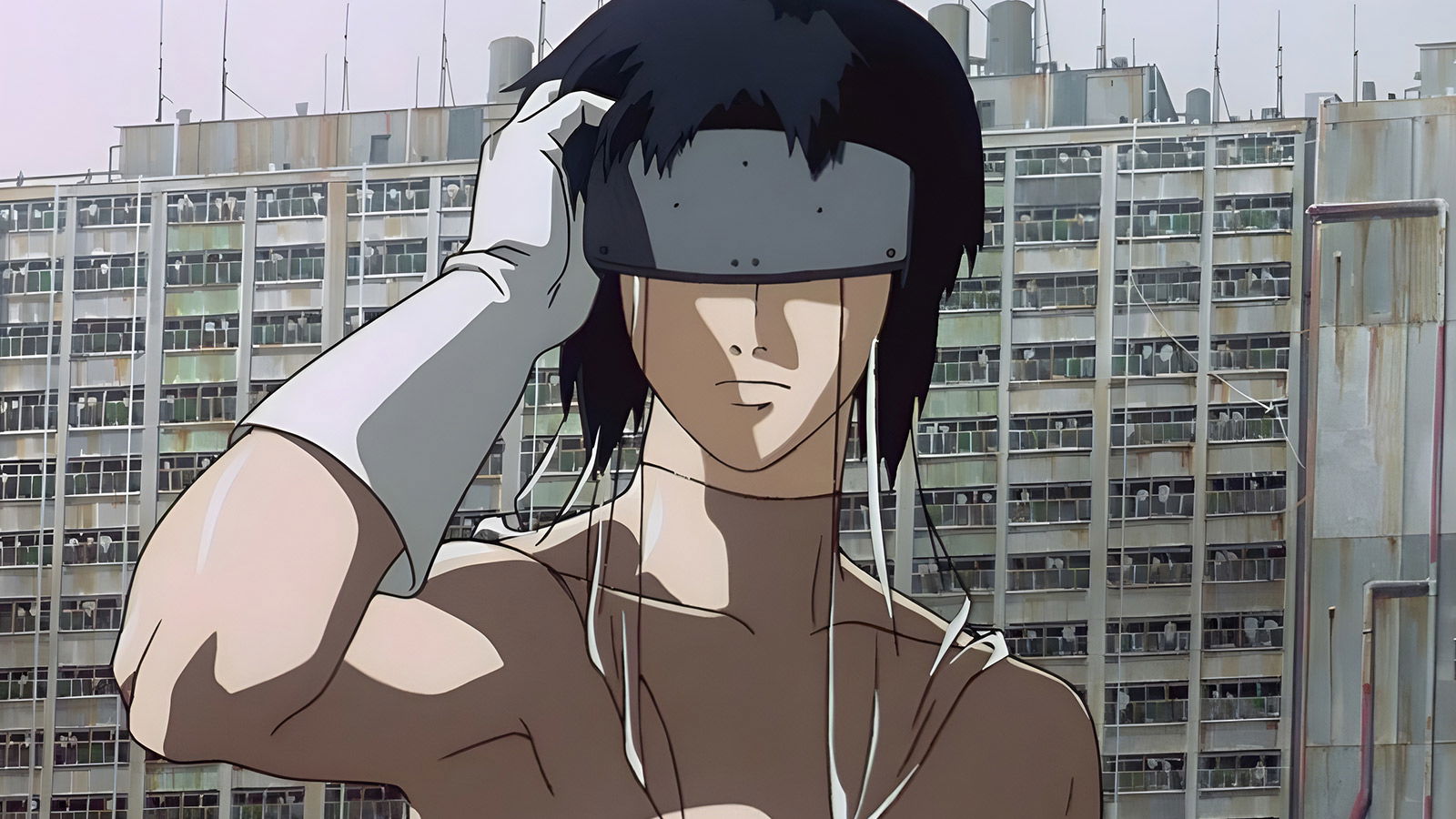
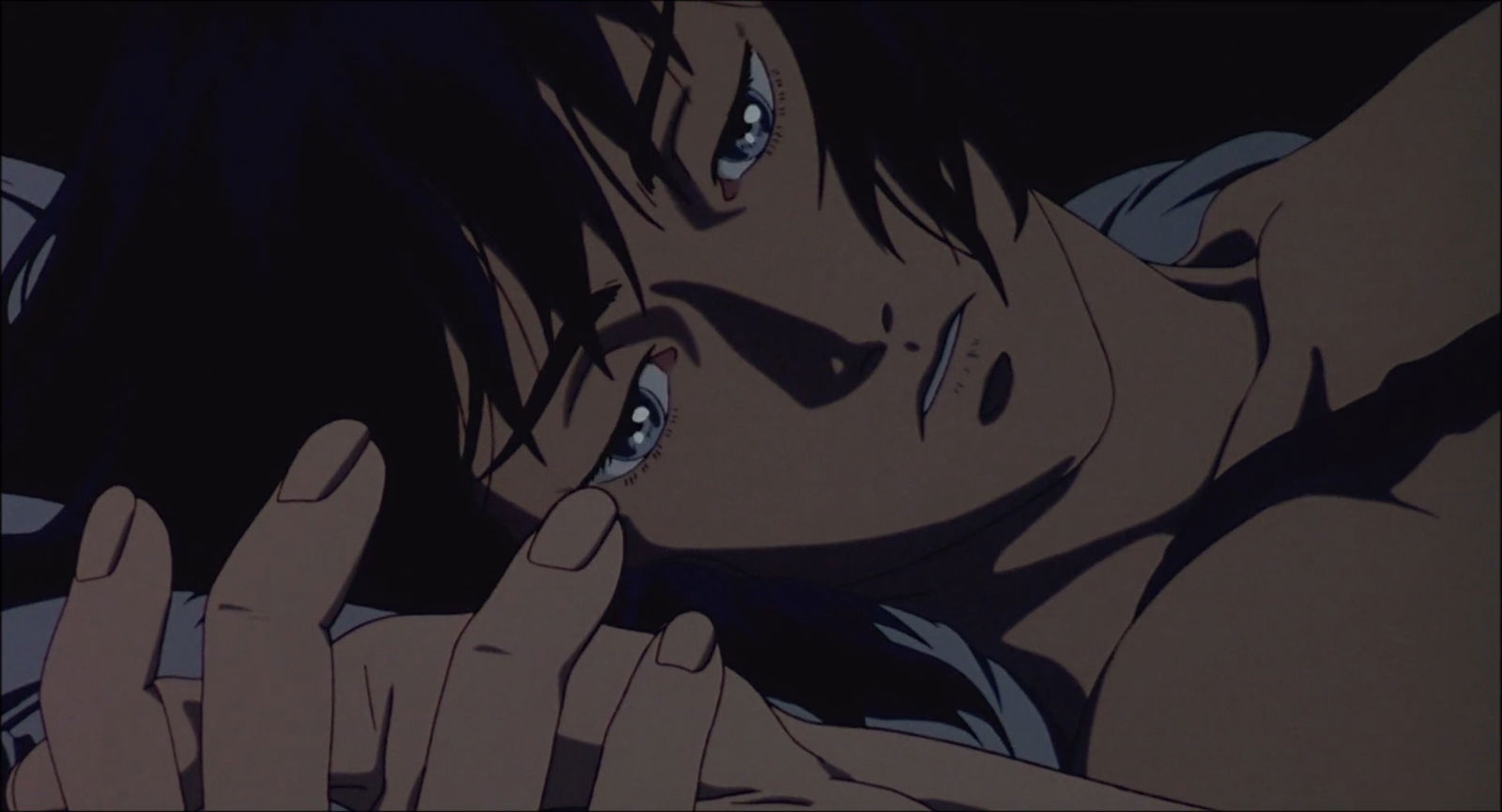
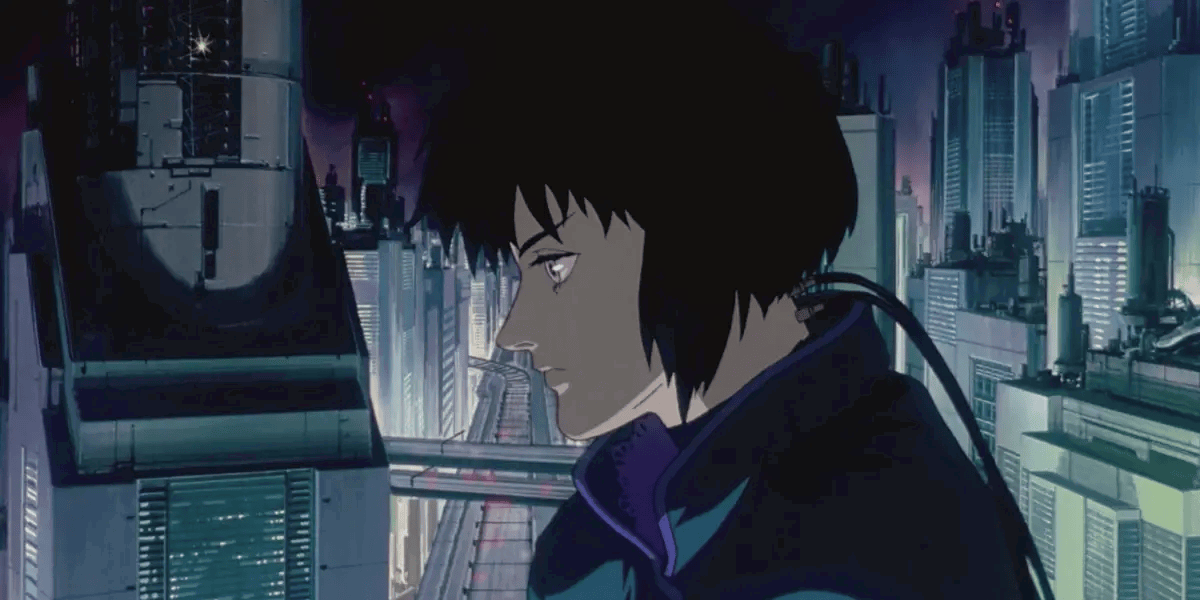
The original Ghost in the Shell was adapted from Masamune Shirow’s manga and directed by Mamoru Oshii, with Production I.G. handling animation. It premiered in Japan on November 18, 1995, and subsequently became an international landmark, even topping the American Billboard video sales chart in 1996.
Now, 31 years later, its return feels almost poetic. The 2026 North American theatrical release arrives September 18, with more than 800 theaters planned and 4K presentations available at select locations. That timing means audiences can experience Oshii’s meticulously composed imagery at a scale closer to the cinematic spectacle it always deserved. The film’s reputation has only grown since its debut.
Yet perhaps the most striking thing about watching Ghost in the Shell today is not recognizing what later films borrowed. It is realizing how much of the future Oshii imagined before Hollywood was ready for it. The city still glows. The networks still hum. And Motoko Kusanagi’s question, where the human ends and the machine begins, still feels unanswered. Three decades later, the ghost is finally coming home to the big screen.
Do you think Ghost in the Shell deserves more credit for shaping modern sci-fi? Tell us what you think in the comments!
Ghost in the Shell (1995 film) is available on Amazon Prime and Tubi. The film will screen across 800+ theatres on September 18, 2026.
This post belongs to FandomWire and first appeared on FandomWire
from FandomWire https://ift.tt/zMFpBHC


No comments: