
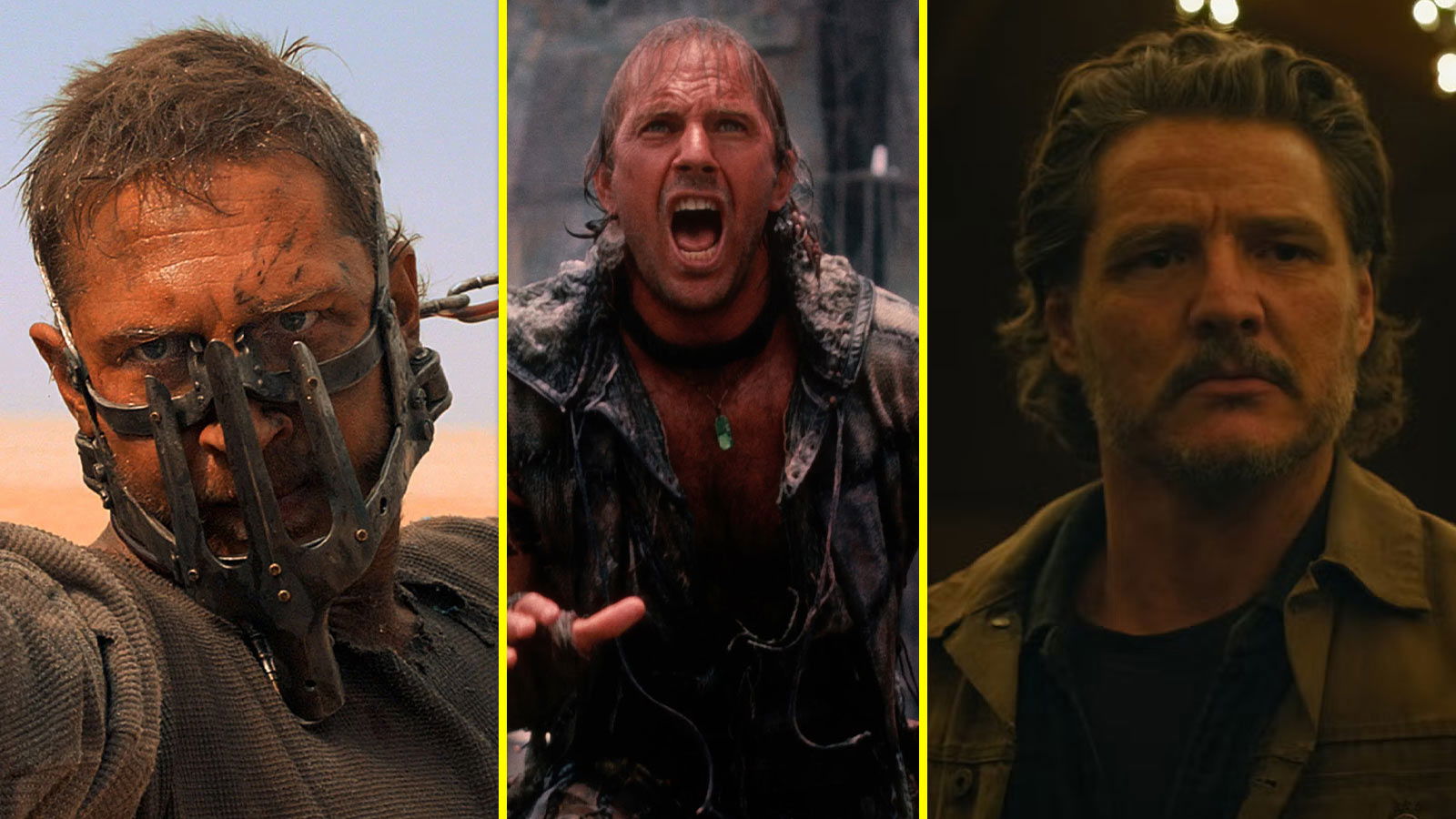
Kevin Costner’s ocean-bound apocalypse is about to sail away from Netflix. Waterworld, the colossal 1995 sci-fi adventure that became synonymous with Hollywood excess before earning a more appreciative second life, is leaving Netflix US in September 2026 as part of the streamer’s latest licensing shuffle. Three decades later, describing Waterworld as Mad Max meets The Last of Us gets surprisingly close to the mark. Kevin Reynolds’ film strands humanity in a ruined future, scatters survivors across makeshift settlements, and pits a hardened loner against marauders while he reluctantly protects people who may hold the key to something better. The crucial difference is right there in the title: instead of endless asphalt or fungal wastelands, almost the entire planet is underwater.
That once-derided premise has aged better than some of the jokes made at the movie’s expense. Waterworld was famously a troubled production, but Costner has never thrown it overboard. In fact, he has argued that its reputation obscures what audiences around the world actually think of it (per The Guardian).
Waterworld Was a Titanic Hollywood Gamble
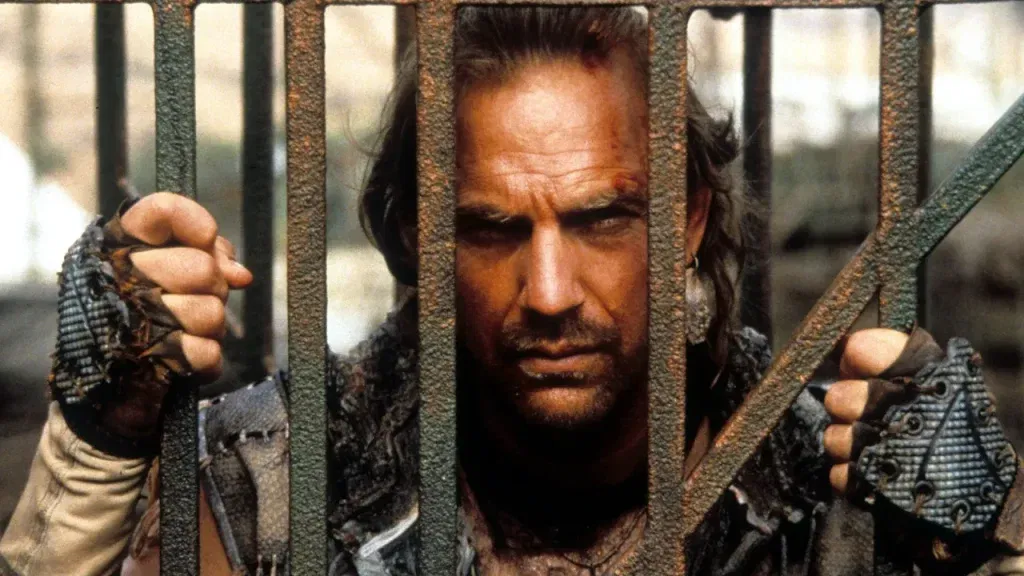
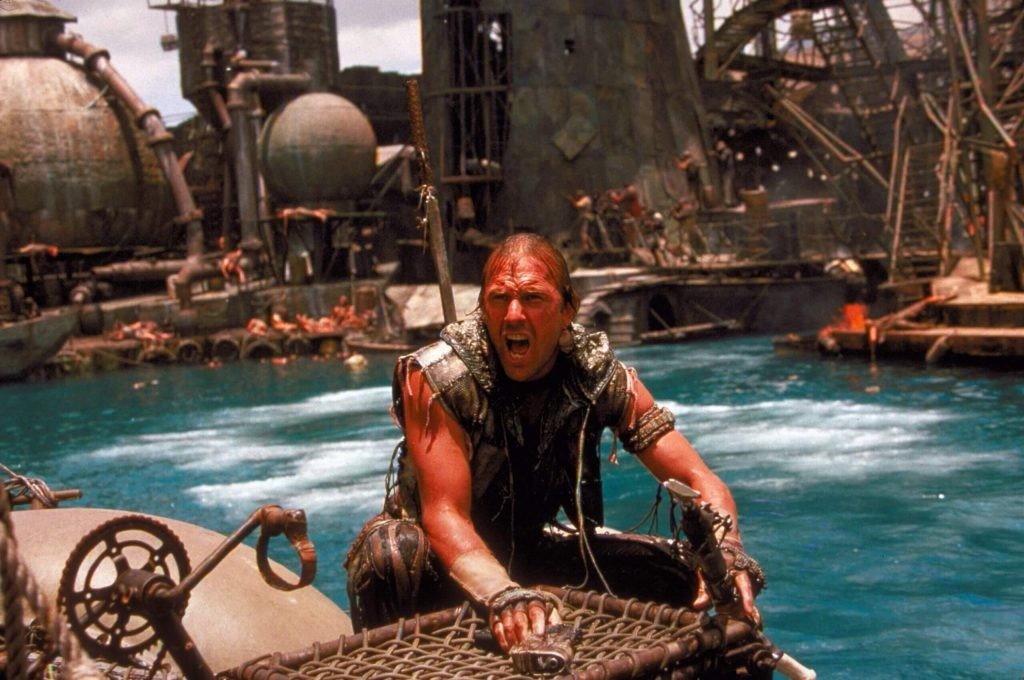
Waterworld takes place after the polar ice caps have melted and submerged virtually every trace of land. Kevin Costner plays the Mariner, a solitary mutant with gills who roams the ocean aboard his trimaran, trading with floating communities and avoiding attachments whenever possible. That changes after he encounters Helen (Jeanne Tripplehorn) and Enola (Tina Majorino). Enola possesses a mysterious tattoo believed to contain directions to Dryland, making her a prized target for the Smokers, a violent gang commanded by Dennis Hopper’s gloriously unhinged Deacon.
The result is essentially a Western marooned at sea, complete with pirates, besieged settlements and a reluctant gunslinger archetype. Reynolds directs, while Costner served as a producer in addition to starring. Its financial history became nearly as famous as the movie. Production costs reportedly climbed to roughly $172-175 million, making Waterworld the most expensive film ever produced at the time. It ultimately earned approximately $264 million worldwide, including about $88 million domestically.
Waterworld now holds a 61% Tomatometer score from 137 reviews on Rotten Tomatoes, although its 44% Popcornmeter remains decidedly choppier.
Why Waterworld Feels Like Mad Max Meets The Last of Us
Calling Waterworld Mad Max meets The Last of Us is more than catchy shorthand. The Mad Max influence is baked into the film’s bones. Screenwriter Peter Rader originally conceived the project as a low-budget riff on The Road Warrior, only replacing an endless desert with an endless ocean. Roger Ebert even compared the floating Atoll to the post-apocalyptic settlement in Mad Max Beyond Thunderdome.
The parallels are hard to miss. Costner’s Mariner is an unnamed, taciturn drifter who survives civilization’s collapse aboard a heavily customized vehicle. He encounters a vulnerable settlement threatened by marauding outsiders, reluctantly gets involved, and eventually finds himself protecting people he initially wanted nothing to do with. Dennis Hopper’s Smokers effectively trade Mad Max’s motorcycles and desert war machines for jet skis and ramshackle vessels.
The Last of Us comparison is more thematic, viewed through a modern lens. Like Joel’s journey with Ellie, Waterworld pairs its hardened survivalist with a young girl whose importance reaches far beyond herself. Enola carries a tattoo believed to reveal the route to Dryland, making her a potential key to humanity’s future. The initially callous Mariner gradually becomes her protector, even risking himself to rescue her from the Smokers.
Put those ingredients together and Mad Max supplies much of Waterworld’s post-apocalyptic machinery, while its reluctant-protector-and-special-child dynamic feels strikingly familiar to modern audiences raised on The Last of Us. The film got there decades earlier, only with saltwater instead of spores. Do you think Waterworld deserved its infamous reputation, or has the Kevin Costner epic aged better than expected? Drop your take below and follow FandomWire for more streaming updates.
Waterworld is currently streaming on Netflix.
This post belongs to FandomWire and first appeared on FandomWire
from FandomWire https://ift.tt/M8oy5lW


No comments: