
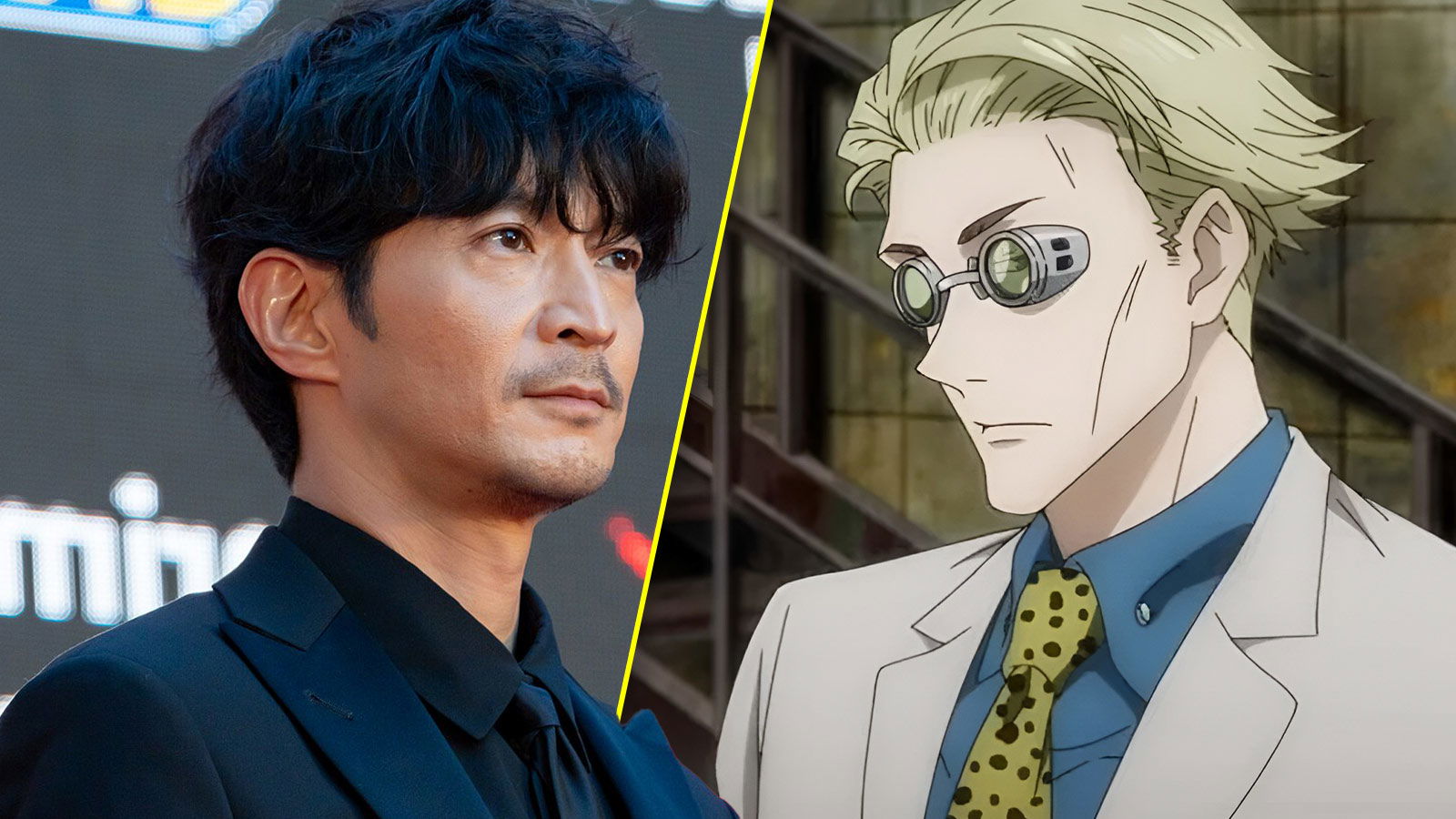
Japan has scored a defining breakthrough in the battle over artificial intelligence, establishing a landmark precedent that brings human voices under publicity-right protection for the first time. The case involved Jujutsu Kaisen‘s voice actor Kenjiro Tsuda (best known as the voice of Kento Nanami), who sought the removal of TikTok videos featuring narration resembling his voice.
The Tokyo District Court ultimately dismissed Tsuda’s requests because the account and videos had already been deleted. However, the court delivered a historic ruling for performers by establishing that a person’s voice can fall under publicity-right protection when it has commercial appeal and is used primarily to exploit that appeal, creating a significant precedent for performers.
Kenjiro Tsuda Case Sets a New Legal Line for AI Voice Clones
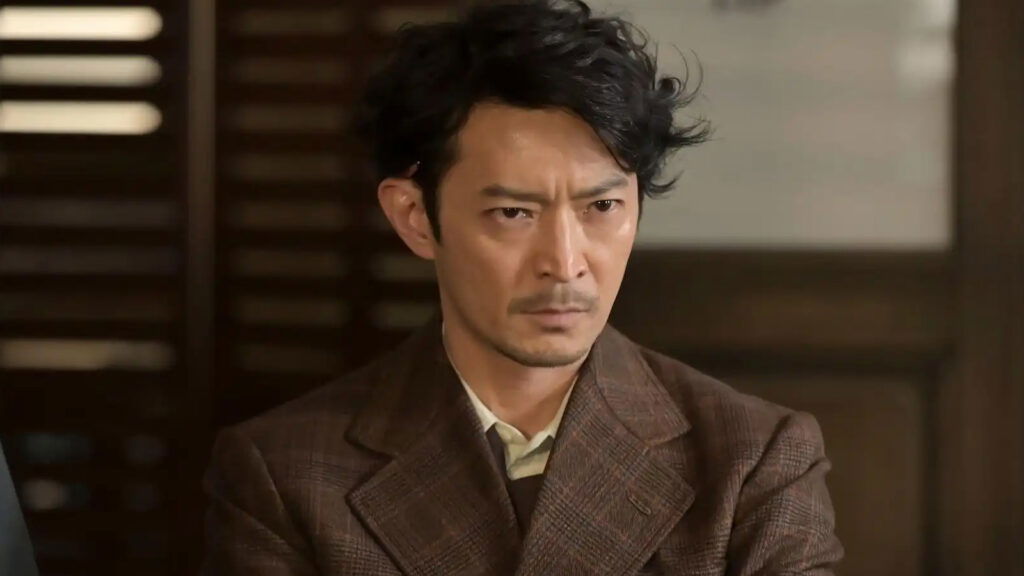
The lawsuit concerned 188 TikTok posts uploaded between July 2024 and September 2025 by an unidentified user operating an account called Hakkai. By November 2025, the account had more than 210,000 followers, according to the court’s judgment. Tsuda argued that the narration was sufficiently similar to his voice to implicate his rights. The account’s operator, however, claimed the voice was created by using AI to process a different person’s voice rather than directly using Tsuda’s recordings.
While some legal observers note the ruling stopped short of finding direct infringement, the judges delivered what the entertainment industry considers the actual prize. The judges first addressed whether the material he wanted removed still existed. The account was deleted on May 29, 2026, and the court found that the related data was subsequently deleted from TikTok’s servers after the account was not restored within 30 days.
Because the videos were already gone, the court concluded that TikTok had no further obligation to delete them and dismissed Tsuda’s claims. Crucially, however, the court explained that a human voice can be considered a symbol of an individual’s personality, similar to a person’s likeness. It further stated that unauthorized use of a performer’s voice may infringe publicity rights when the voice has customer-attracting power, and the use is primarily intended to exploit that appeal.
That makes the judgment significant even though Tsuda did not receive the specific court-ordered takedown he requested. It establishes a judicial framework that could matter in future disputes involving recognizable voices and generative AI.
Japan’s Actors Union Pushes for Stronger Protection From AI
The Japan Actors Union welcomed the ruling on October 5, calling the recognition that a voice can receive publicity-right protection a “major achievement.” It said the case also highlighted problems surrounding voice identification and performers’ legal protection (the official statement).
The union conducted its own comparison using JVOXPRO, a performer database and voice-similarity system it established. In 30 tests comparing the Jujutsu Kaisen VA Tsuda’s voice with the AI-generated audio used by the account, the highest similarity score was 0.881, while the average was 0.814. More than half of the tests produced scores of at least 0.80. The union’s criteria place scores from 0.80 to below 0.90 in a range indicating a high possibility that the voice belongs to the person or is an AI-generated version of that person’s voice.
The union also stressed that voice identification is not a perfect science, and future disputes could still turn on whether an AI-generated voice can be reliably connected to a performer. The Japan Actors Union now says it will continue developing guidelines for performers’ rights in relation to generative AI and will seek the legal reforms it believes are necessary. It also raised concerns about platforms preserving information when rights holders report allegedly unlawful content and about compensation systems that can reward popular posts.
For voice actors, the most important part of Tsuda’s case is therefore not that Japan has completely “won the AI war.” The court did not issue a damages award or a takedown order. Instead, it recognized that a voice can carry the kind of commercial identity protected by publicity rights. That distinction could prove important as AI voice generation becomes easier and more convincing.
What are your thoughts on the case? We’d love to know your opinions in the comments below.
This post belongs to FandomWire and first appeared on FandomWire
from FandomWire https://ift.tt/SnAo4a1


No comments: